

Cesarean sections, commonly called C-sections, currently make up 21% of all US births. C-sections are performed for many reasons and are responsible for saving the lives of countless mothers and babies, but they require recovery time and, since they involve the same area of the body, women often wonder how long it will be before it is safe to have tummy tuck surgery to restore their pre-pregnancy body.
In this post, nationally-recognized tummy tuck specialist Dr. R. Brannon Claytor discusses how long you should wait to have a tummy tuck after your C-section, and why.
What are the benefits of getting a tummy tuck after a C-section?
Because of the incisions made to deliver a baby during a C-section, mothers are left with a large scar running either horizontally or vertically across their lower stomach after giving birth. To address this scar and other physical post-pregnancy changes, many women choose to have tummy tuck surgery, also called abdominoplasty. Following a C-section, tummy tuck surgery can:
- Lessen the C-section scar and scar tissue
- Flatten the tummy by tightening underlying muscles and removing excess fat
- Remove any excess skin and the “skin shelf” that sits above the scar
- Re-create or even enhance the pre-pregnancy figure
- Get rid of abdominal stretch marks
- Change your belly button from an ”outie” to an “innie” or otherwise improve its appearance
- Repair diastasis recti
- Contour the waist
The main reason women undergo tummy tuck surgery following their C-section, however, is to regain their sense of identity and confidence. Pregnancy takes a serious toll on a woman’s body and mind, and restoring her to her former (or enhanced) figure can help her feel more like herself again. We also often help women restore their confidence this way by including a tummy tuck as part of a full mommy makeover—a customized set of procedures, such as breast surgery, tummy tuck, and liposuction—that restores your pre-pregnancy shape.
The main reason women undergo tummy tuck surgery following their C-section, however, is to regain their sense of identity and confidence. Pregnancy takes a serious toll on a woman’s body and mind, and restoring her to her former (or enhanced) figure can help her feel more like herself again.
Can a tummy tuck fix my C-section scar?
Yes, in most cases a tummy tuck can remove or significantly improve your c-section scar. During the procedure, the incision is typically made low on the abdomen, similar to where a c-section scar sits. When excess skin is removed, your old c-section scar is often cut away entirely along with the removed tissue.
Even if your c-section scar isn’t completely removed, it’s usually repositioned lower and flatter so it can be hidden beneath underwear or a bikini bottom. The new tummy tuck scar replaces the old c-section scar, and with proper care and time, it fades to a thin line that’s much less noticeable than stretched, puckered c-section scarring.
If you have multiple c-section scars or scars in unusual positions, we’ll discuss during your consultation how they can be addressed as part of your tummy tuck procedure.
How long after a c-section can I have a tummy tuck?
For you and your baby, it’s best to wait at least six to 12 months after giving birth to have your tummy tuck. We know this can be difficult if you want to address your C-section scar, loose skin, and extra weight right away, but this waiting period allows your body to heal completely from childbirth and gives your abdominal muscles and skin time to recover as much as they naturally will.
Waiting also ensures that any postpartum weight fluctuations have stabilized. Your body goes through significant changes during pregnancy and the months following delivery, and operating too soon can compromise your results if your weight or body composition is still shifting.
Why do I need to wait to have a C-section after giving birth?
Many moms appreciate waiting for these reasons:
- Your body is healing and going through changes: You’ll need time to heal after pregnancy. Giving birth is physically, emotionally, and mentally taxing! After pregnancy, your body is coping with many postpartum transitions, such as hormonal rebalancing and breast size changes.
- Bonding is important: The first few months following childbirth are critical for mother-child bonding, and waiting for at least six months after giving birth to have your tummy tuck allows you to enjoy this time with your newborn, uninterrupted by an additional surgical recovery.
- You need time to plan: Initial recovery from a tummy tuck takes about two weeks, and you’ll want to make sure that you have time to organize, prepare, and line up the help you’ll need during that period so you can focus on healing.
- You won’t be able to lift your child during recovery: This is not the time to be lifting your child and caring for him or her on your own. If you’re tempted to do so too soon after your tummy tuck, you might accidentally strain your incisions, delay your healing process, or otherwise compromise your results.
For more suggestions on recovering from plastic surgery, we invite you to read our Mommy Makeover post.
Can I combine my tummy tuck with my C-section?
Most doctors strongly advise against combining a tummy tuck with a C-section, as your uterus is still undergoing dramatic size changes in the weeks after childbirth. Additionally, a different anesthesia type is usually used during a C-section versus a tummy tuck (this is because a C-section plan must consider childbirth safety while tummy tuck anesthesia is purely about your comfort). Lastly, your plastic surgeon will be able to recommend a more ideal tummy tuck plan when they can see how much your abdomen has “bounced back” (or not) after carrying your child. All that said, getting a tummy tuck after a C-section is perfectly safe—you just need to give yourself some time.
Will I need drains after my tummy tuck?
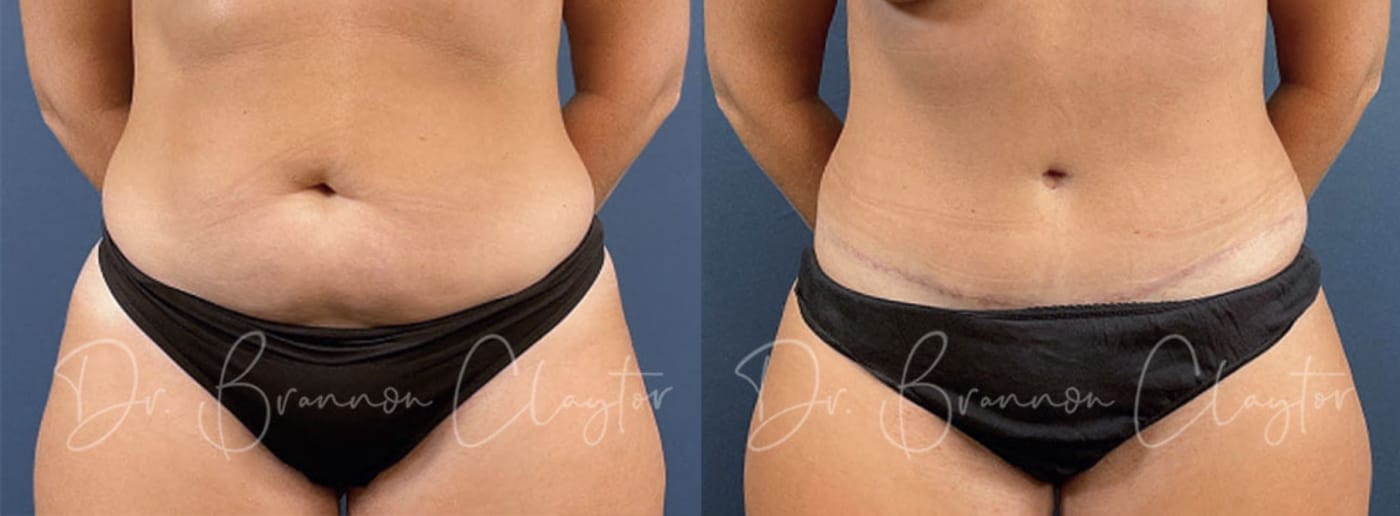
While it is standard for patients to require surgical drains following a tummy tuck, Dr. Claytor is nationally renowned for his drainless, or “no drain,” tummy tuck. When performed properly by a board-certified plastic surgeon, a drainless tummy tuck allows patients to recover faster and with fewer complications.
Here’s how it works: Dr. Claytor is able to maintain your Scarpa’s fascia (deep connective tissue within your abdominal wall) during surgery, which acts as a natural drainage system for your lymphatic system. This means you won’t have to deal with the hassle of emptying fluids from your drains post-surgery, and because your blood supply is improved and tissue damage is reduced, you’ll heal much faster than a traditional tummy tuck.
Is a drainless tummy tuck safe?
Traditional tummy tucks remove the lymphatic drainage from the abdomen, necessitating the use of drains. Dr. Claytor’s approach to maintaining your Scarpa’s fascia and lymphatic system is much safer and more natural. His advanced drainless tummy tuck technique has a post-surgical fluid collection rate less than that of patients who use drains, therefore his patients have a much lower rate of developing seromas. Dr. Claytor has been performing drainless tummy tucks with exceptional results for over 10 years in our AAAHC-accredited surgical suite.
Can I have more children after a tummy tuck?
Yes, you can have more children after a tummy tuck, and it’s physically safe to do so. However, pregnancy after a tummy tuck can stretch your abdominal muscles and skin again, potentially compromising your results.
If you’re planning to have more children, most surgeons strongly recommend waiting until you’re finished building your family before having a tummy tuck. This ensures you get the full benefit of the procedure without risking the need for revision surgery later.
That said, some women do choose to have a tummy tuck between pregnancies—perhaps if there’s a significant gap between children or if they’re experiencing physical discomfort from muscle separation that they want addressed sooner. Just be aware that future pregnancies may alter your results.
If you do become pregnant after a tummy tuck, your pregnancy should proceed normally. The procedure doesn’t affect your ability to carry a baby or deliver safely.
I’m ready to schedule my tummy tuck—what are my next steps?
Congratulations on your delivery! Now that you are officially recovered from your C-section, you can begin to schedule your tummy tuck procedure. Here’s what you’ll want to do:
- Make sure you’re at a stable weight and are in overall good physical condition. This will ensure you have optimal results from your tummy tuck and will help prevent any potential complications.
- Make sure you aren’t planning on becoming pregnant again. If you do get pregnant after your tummy tuck, you can still safely bear a child, but it will compromise your results. While a secondary tummy tuck can be an option, most women prefer to wait until their family is complete.
Above all else, be sure to consult with a board-certified plastic surgeon. He or she can let you know if you are a good candidate for surgery.
Dr. R. Brannon Claytor
Dr. Claytor is board certified by the American Board of Plastic Surgery and holds over 20 years of experience as a cosmetic plastic surgeon. An innovator and teacher in the field of plastic surgery, he uses advanced techniques like the drain-free tummy tuck and deep plane facelift to streamline recovery and provide natural-looking, durable results.

Tummy tuck surgery in Philadelphia
Board-certified Philadelphia plastic surgeon, Dr. R. Brannon Claytor, has been performing tummy tucks for over 20 years. Dr. Claytor specializes in the drainless tummy tuck, which reduces the need for cumbersome and unsettling abdominal tubes. Contact Dr. Claytor online or by calling (610) 527-4833 to learn how tummy tuck surgery can restore your body after a C-section and increase your confidence.
References »
The Lancet. “Caesarean section use has almost doubled globally since 2000.” ScienceDaily. ScienceDaily, 11 October 2018. <www.sciencedaily.com/releases/2018/10/181011190654.htm>.
Areas Served:

Dr. Brannon Claytor, a double-board certified Philadelphia-area plastic surgeon, is known nationally for his high level of expertise in facelift surgery and achieving natural-looking results for his patients. He loves answering questions about facelifts, from the fundamental to the very nuanced. We’ve compiled answers to the most common questions for you here.
What does a facelift do?
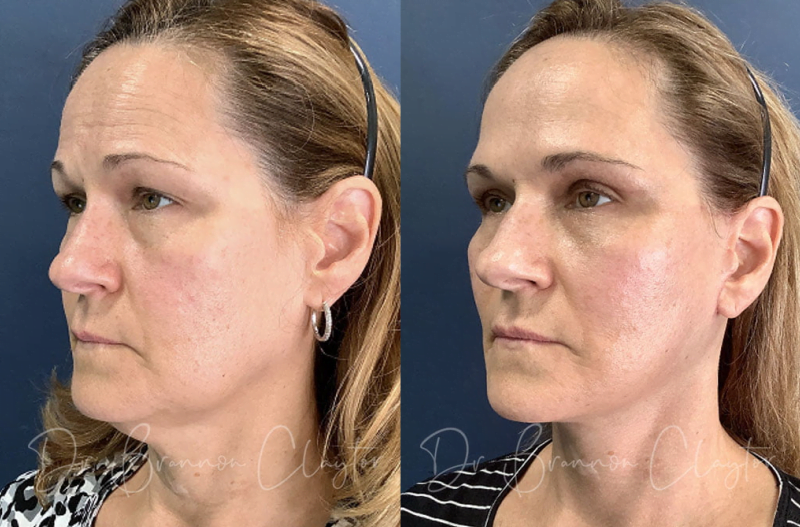
A facelift lifts the skin of the cheeks, jowl, and neck to provide a more youthful appearance. During the procedure, the surgeon separates the facial skin from the connective tissue and muscles underneath so the deeper facial tissues can be repositioned to create a firmer foundation. Excess skin is removed and the remaining skin is placed over the newly rejuvenated facial tissue. Incisions and stitches are inconspicuously placed around the ear. There are also deep plane facelifts, where the surgeon shapes deeper facial tissues as part of the procedure to treat the skin as well as underlying muscles and tissue.
While the term facelift is often used colloquially to describe full facial rejuvenation, strictly defined, the procedure does not include lifting the eyelids or brows. That said, brow and eyelid lifting procedures are often combined in the same operation to achieve more complete results.
Facelift surgery is complex and requires in-depth knowledge of facial anatomy, a set of advanced surgical techniques, and aesthetic finesse. The surgeon should avoid pulling tissues too tightly, which can create an unattractive windswept look. Skill is also required in handling the area around the submandibular glands (jowls).
How long is facelift recovery?
The initial facelift recovery period, when you need to significantly limit your activity, is about two weeks. Because the procedure lifts and pulls back loose facial and neck skin, as well as connective tissue, it causes bruising and swelling, which subsides significantly by the end of week two. It will take more than two weeks for incisions to fully heal and all post-operative swelling to completely resolve. If you need to look your best for a special occasion or event, we recommend planning your procedure about three months ahead of time. Your plastic surgeon should provide you with detailed post-surgical care instructions and pain relief recommendations. At Claytor Noone Plastic Surgery, we put all of the information you need into a personalized booklet.
Will my face look tight after facelift surgery?
Initially, your facial skin may indeed appear tight simply due to postoperative swelling, however, this tightness will relax as swelling subsides. A skilled plastic surgeon should not pull the skin so tightly that a stretched appearance or tight feeling lasts long-term. Before booking a procedure with a particular surgeon, look closely at before and after photos that were taken at least six months after the procedure.
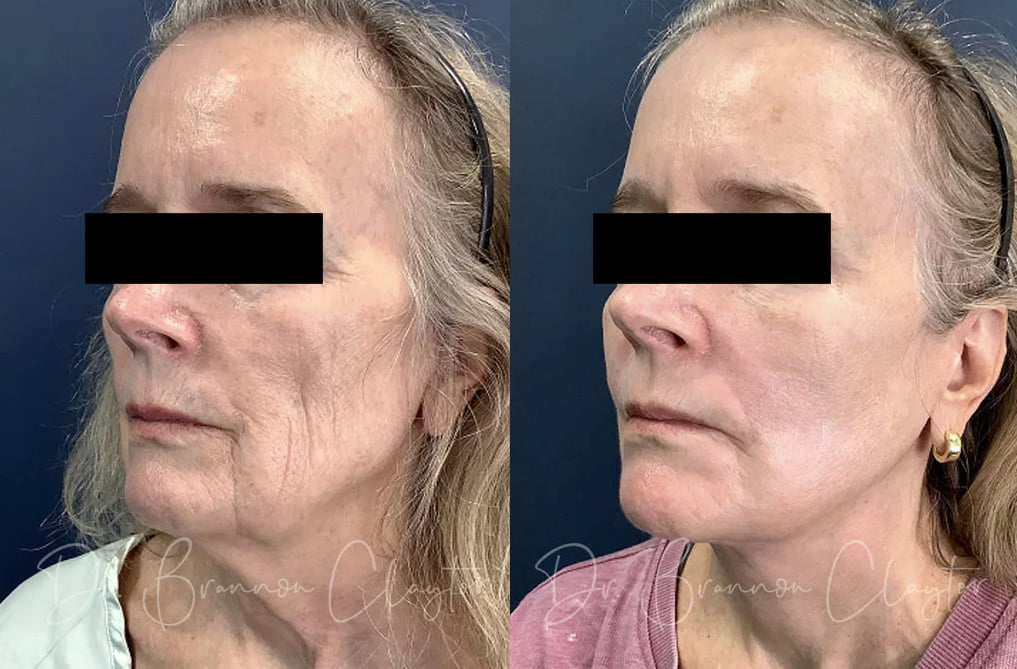
When does the tight feeling go away?
The tight sensation after a facelift is temporary and improves steadily as you heal.
- Week 1-2: Tightness is most noticeable. Your face will feel stiff, and you may have difficulty with certain facial expressions. This is the peak of swelling and internal healing.
- Week 3-4: You’ll notice significant improvement. Most of the tightness eases as swelling decreases and tissues begin to settle. Smiling and talking become more comfortable.
- 2-3 months: Your face starts to look and feel natural. The tight sensation is mostly gone, though you might still notice subtle firmness in certain areas when touching your face.
- 6 months: Final softness is achieved. Any residual tightness disappears completely, and your results look natural and relaxed.
The timeline varies based on your healing, the extent of your surgery, and your individual tissue characteristics. Patients with thicker skin may experience tightness slightly longer, while those with thinner skin often notice it resolving faster.
How much does a facelift cost?
Facelift costs vary widely depending on the type of procedure, from $12,000 at the low end for more limited procedures on up to $22,000 or more. Prices will also vary depending on the plastic surgeon you choose and your locality; a highly sought after surgeon in an area where operating room space comes at a premium will charge commensurately more than a less experienced surgeon in a suburban locale. If you also desire a brow or eyelid lift to complete your facial rejuvenation, this can increase the total cost.
When consulting with a facelift surgeon, make sure your fee quote includes all the associated costs, including anesthesia, operating room fees, supplies you’ll need after your surgery, and post-operative visits. Most reputable surgeons are transparent about this and will gladly provide an all-inclusive quote.
We strongly discourage choosing your plastic surgeon based on price alone. A below-average price is often a sign that the surgeon does not have proper training—or is cutting corners when it comes to anesthesia and the operating facility, both of which are critical to your safety.
Dr. R. Brannon Claytor
Dr. Claytor is board certified by the American Board of Plastic Surgery and holds over 20 years of experience as a cosmetic plastic surgeon. An innovator and teacher in the field of plastic surgery, he uses advanced techniques like the drain-free tummy tuck and deep plane facelift to streamline recovery and provide natural-looking, durable results.
Do I need a full facelift?
Not everyone needs or opts for a full facelift. More limited procedures such as a mini facelift (see our blog post here for an in-depth discussion) have both lower price tags and shorter recovery periods, however, they are a better choice for patients with moderate skin laxity or other more surface-based concerns.
When consumers refer to a “full facelift,” they often mean treating the eyes and brows as well. While the term facelift is commonly used for a range of procedures, a classic facelift technically only addresses the lower two-thirds of the face—the cheeks and jawline, as well as the neck. An eyelid lift and brow lift can be done simultaneously, but they’re considered separate procedures. The skin, muscles and other tissues along the brow and surrounding the eyelids are very distinct, and require an entirely different set of techniques than those used during a facelift.
- This post is part one of our two-part series on facelift options: you can read all about mini facelifts and non-surgical facelift options in part two!
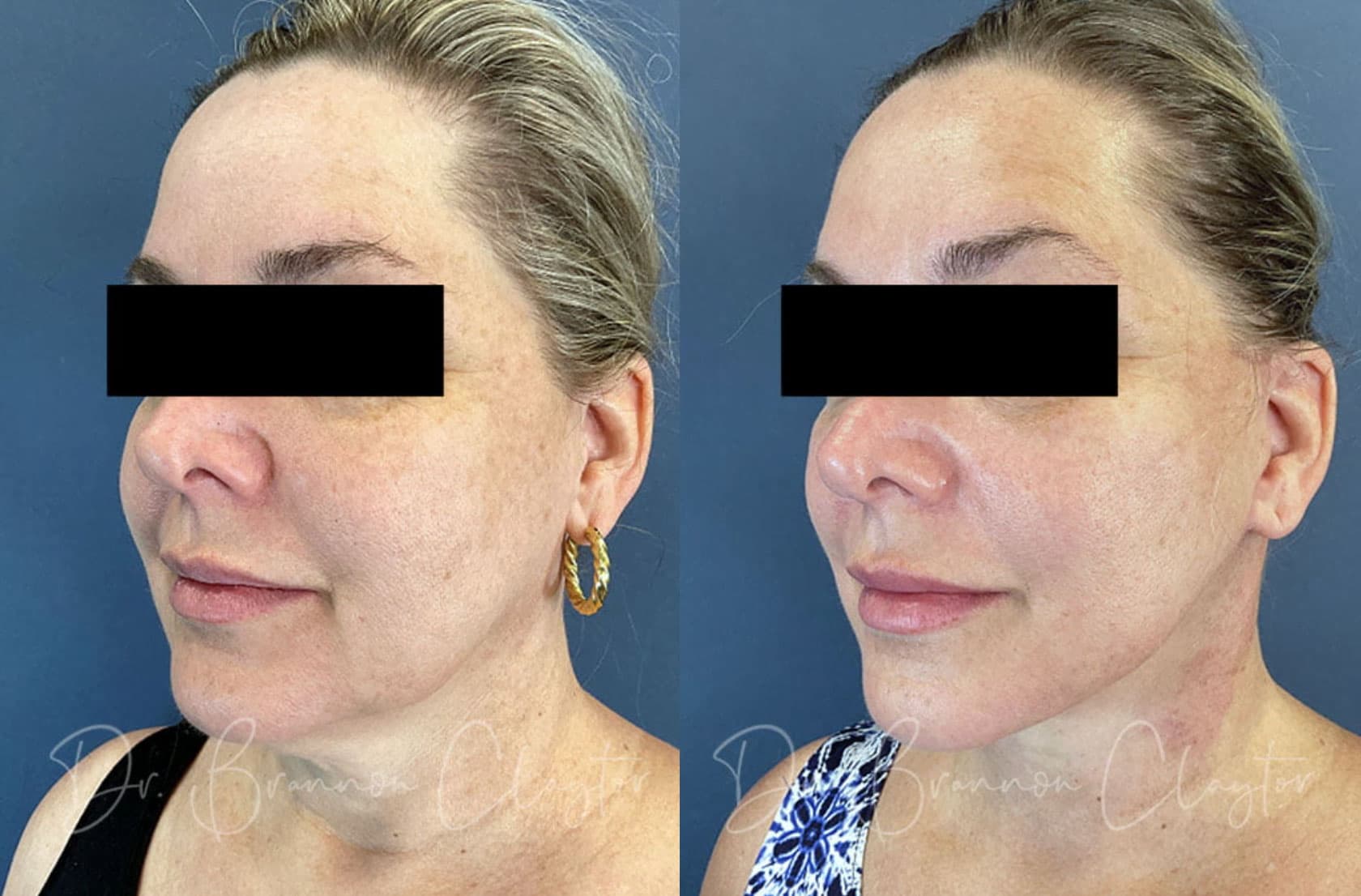
Where are facelift incisions?
Incisions from a full facelift are located just behind the hairline, starting either near the temples or the sideburn hairline, and continuing around to the back of the ear. Similarly, mini facelift incisions are typically located along the hairline above each ear or in the natural creases surrounding the ear. Mini facelift incisions are shorter and thus less conspicuous, especially during the initial healing period.
Facelift scars may never permanently disappear, especially if you closely examine the skin in the incision areas. Still, they will soften and improve over time. Scars will become nearly invisible, provided your surgeon was precise with incision placement, and let you know about post-procedure scar care.
Will a facelift fix all my wrinkles?
While facelifts do smooth and tighten skin and effectively help smooth deeper wrinkles caused by gravity, they do not address fine lines, expression-based wrinkles, sun damage, smoker’s lines, or surface skin imperfections. Additional non-surgical skin treatments and/or fractional laser resurfacing are the best way to correct those concerns. In fact, we often recommend these treatments in addition to a facelift to help match the surface appearance of your skin with your more youthful overall facial structure.

“The whole experience was fantastic! The results exceeded my expectations! I look and feel 10 years younger. Dr. Claytor and his staff made me feel so at ease and comforting. He is an excellent surgeon with a wonderful bedside manner and personality. It is one of the best decisions I ever made. I would highly recommend Dr. Claytor; in fact my neighbor has an appointment with him next month.”
What are the risks of a facelift?
According to a 2015 study, the complication rate from facelift surgery is low, at 1.8 %. The most common risk is a hematoma or a collection of blood under the skin. It typically occurs from engaging in activity too soon after surgery or from elevated blood pressure. If you develop a hematoma, your doctor will perform a simple surgical procedure to drain the blood.
It’s vital to have a thorough discussion with your surgeon about the procedure, including potential risks, before deciding to move forward with a facelift. Other facelift complications (which are rare) include:
- Facial nerve injury causing temporary or permanent weakness in an area
- Poor wound healing
- Infection
- Temporary or permanent hair loss at the incision site
- Numbness
- Persistent pain
The best way to avoid all of the above complications is to work with a board certified plastic surgeon who has performed the procedure dozens if not hundreds of times. We recommend looking for at least a decade of experience with facelifts and related procedures. Be sure they operate in an accredited operating room with hospital-level safety measures in place as anesthesia can pose a higher risk than the facelift procedure itself.
How will I feel after a facelift?
During the initial recovery, you’ll feel much like you would after any medical procedure—there will be several days when you have to take it easy and stay off your feet. Most patients find they experience little pain and any post-procedure discomfort is well-worth the excellent results (as evidenced by the facelift procedure’s high “worth it” rating on RealSelf).
After a successful facelift, patients typically feel a renewed self-confidence in their appearance. There’s also a sense of satisfaction from turning back the clock and reversing signs of aging. Patients often say, “My appearance finally matches how I feel inside.”
Full facelift results typically last between 8-10 years, and even past the decade mark, you’ll have a more youthful appearance than you would have had without one. How long results last is also influenced by how your skin continues to age, so a healthy diet, dedicated skincare routine, and consistent use of sunscreen are essential to getting the most out of your facelift.
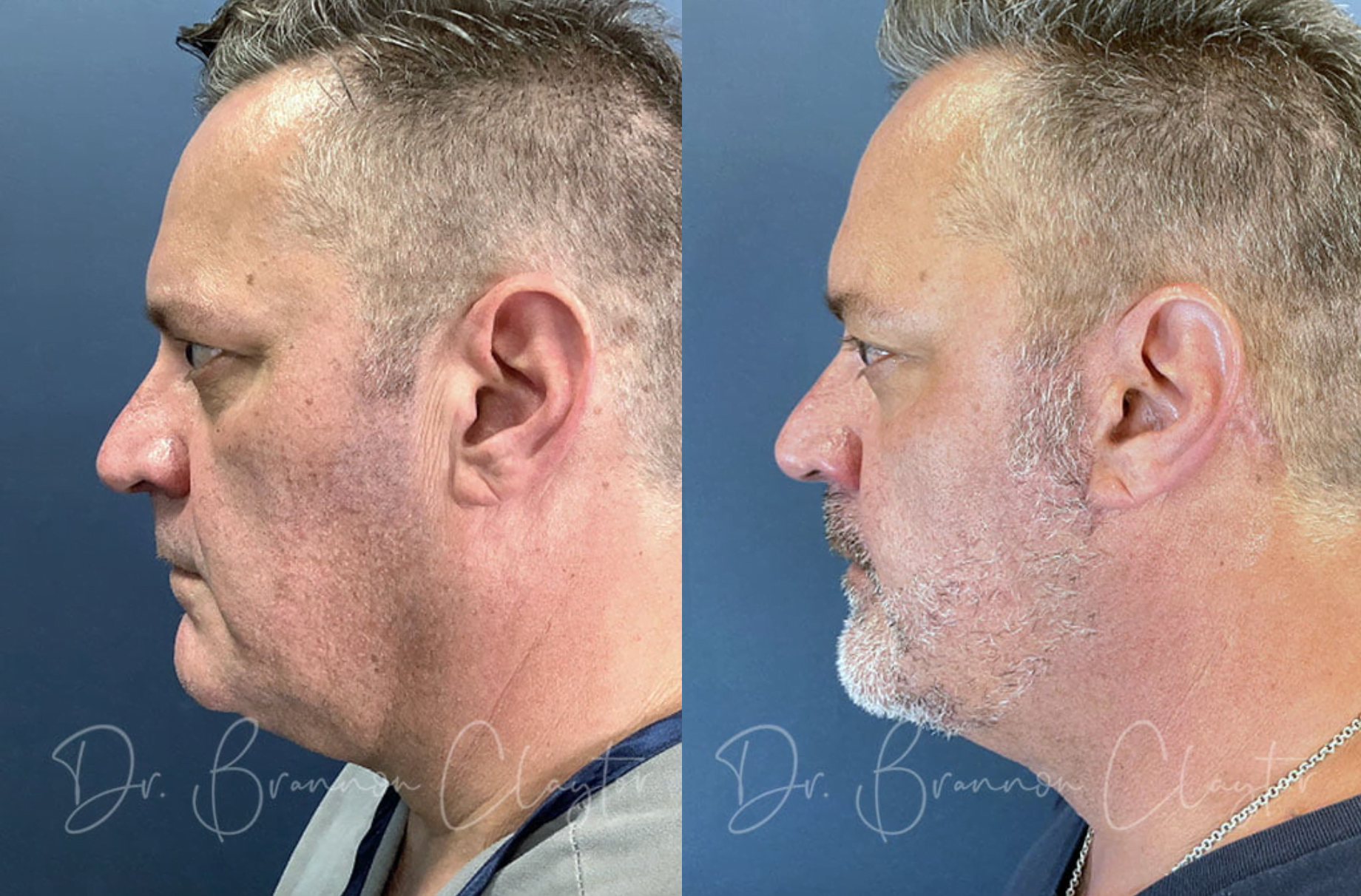
Learn more about Dr. Claytor’s facelifts for men »
Ready to explore the youth-restoring benefits of a facelift? The Claytor Noone Team is ready to help.We’re happy to help you find the best ways to give your face a rejuvenated, revitalized appearance! Philadelphia plastic surgeon Dr. Claytor will listen carefully to your concerns and thoroughly explain the facelift options that best fit your lifestyle and will give you the most stunning results.
Call the Claytor Noone Plastic Surgery office at (610) 527-4833 or contact us online to set up a consultation with Philadelphia-area plastic surgeon Dr. Claytor.
Areas Served:
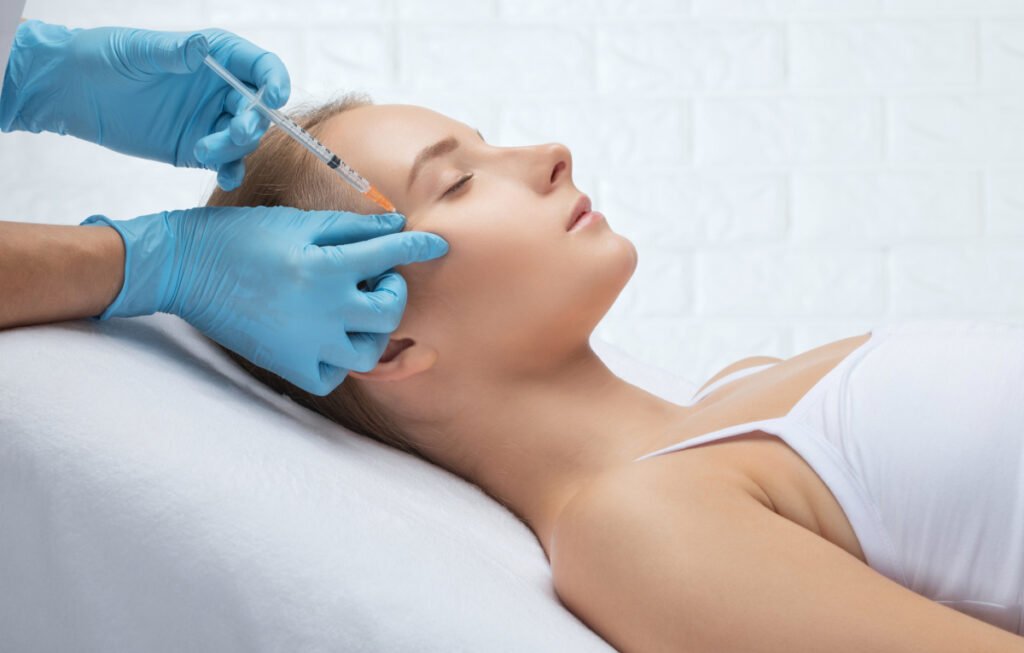
As one of the first Philadelphia practices that was selected to offer Daxxify™ ahead of its official launch, we’re excited to share our early knowledge of Daxxify (or “Daxi”) cost and its effectiveness for our Bryn Mawr and Main Line patients.
Revance Aesthetics, the maker of Daxxify (DaxibotulinumtoxinA-lanm), received FDA approval for the product in 2022, specifically for treating glabellar lines (frown lines between the eyebrows) for a smoother, more youthful brow appearance. With a slightly lower cost per unit than Botox®, as well as the promise of longer-lasting effects, many wonder if Daxxify is a more affordable alternative to Botox. But when you also consider the greater number of units needed to achieve satisfactory results, does Daxxify still end up being more cost-effective?
Here, double board-certified plastic surgeon Dr. Brannon Claytor and Physician Assistant and expert injector, Julie Holesh, dive into the cost-effectiveness of these two top neuromodulators.
- How much is Daxxify?
- Botox vs. Daxxify cost
- Is Daxi better than Botox?
- How long does each neurotoxin last?
- Other ways we can compare Botox and Daxi
- Is Daxxify a good Botox alternative?
How much is Daxxify?
The total cost of Daxxify and other neuromodulators such as Botox®, Xeomin®, Dysport®, and Jeuveau® is determined by the price per unit and the number of units needed to achieve optimal results.
Daxxify price per unit
Daxxify costs $12 per unit, and the price of Daxi is set by the manufacturer.
It’s important to note that pricing will not significantly vary between qualified providers; overly discounted pricing can be indicative of an injector’s lack of experience or the use of an over-diluted or counterfeit product.
Botox vs. Daxxify cost
Units needed for effective treatment are not uniform across injectable neurotoxins; FDA-approved product labels recommend different dosages based on each product’s unique formula.
Treatment cost with Daxi
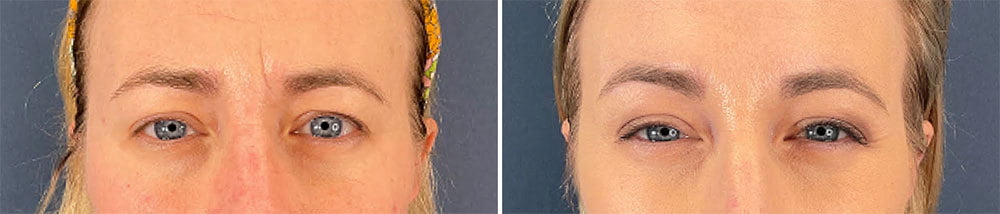
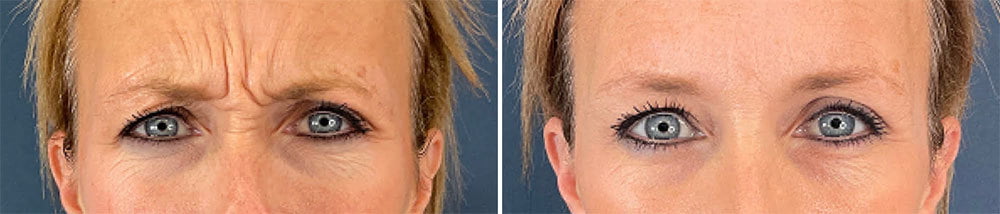
The FDA recommends using about 40 units of Daxi to treat glabellar lines (vertical lines between the eyebrows) for most patients.
- $12 per unit x 40 units = $480
- Daxxify approximate annual cost = $960
Treatment cost with Botox
Most patients require approximately 20 units of Botox to treat glabellar lines. The total treatment cost at Claytor Noone Plastic Surgery’s med spa varies slightly between our providers.
- Botox with Dr. Claytor: $15 per unit x 20 units = $300
- Botox with Julie Holesh, PA: $13 per unit x 20 units = $260
- Botox approximate annual cost = $1,000-1,200
So, which neurotoxin actually costs less?
This pricing information can give you a sense of the fact that Daxi will indeed cost more per treatment because of the higher number of units required. However, because Daxxify lasts longer for most patients, maintaining results will cost somewhat less over the course of time. Additionally, treatment with Daxi means you’ll need half as many appointments—a boon for busy patients in the Bryn Mawr and Main Line Philadelphia areas who know their “time is money.”
Also, it should be noted that while we are comparing glabellar line treatment cost as a basis here, Botox-type injectables are not a one-size-fits-all treatment, and surrounding muscles should also be targeted for balanced, natural looking results that enhance your features and diminish flaws. As such, a comprehensive forehead Botox treatment may require 30 to 40 units or more (or approximately double that if using Daxi), with units distributed throughout the forehead and eye area.
Is Daxi better than Botox?
Daxi may be a better choice for some patients, especially those who find making time for injectable appointments difficult, or anyone who has developed Botox resistance.
In this video, Dr. Claytor and Physician’s Assistant and expert injector, Julie Holesh, explain how neuromodulators work and the differences in Daxi’s unique formulation.
How long does each neurotoxin last?
How long its effects last sets Daxxify apart from Botox and other neuromodulators. Daxi results have a median duration of about 6 months, with some patients experiencing its anti-aging effects for up to 9 months. This means that many patients may experience pleasing results with Daxi for twice as long compared to its competitors and thus need touch-up injections less often.
The longevity of Daxi’s results is credited to its unique formulation. Using Peptide Exchange Technology™ (PXT), the toxin that blocks nerve signals is attached to a novel protein that takes the body longer to break down and extends Daxi’s anti-aging effects.
In contrast, for most patients, Botox typically lasts between 3-4 months.
Other ways we can compare Botox and Daxxify
For some patients, a trusted product that has been safely used over a long time period may be of primary importance. In this case, Botox is king: Botox Cosmetic’s predictable results and strong safety profile quickly made it a household name after its debut in 2002, and it has long since been trusted by professionals and patients alike. Furthermore, prior to its official FDA approval for cosmetic use, Botox had long been used for other therapeutic purposes—in fact, it has a 50+ year history of safe use in medicine.
One other nuance to consider: some patients may choose Daxxify over other injectables as it contains no human or animal by-products. We expect Daxi to gain popularity with patients seeking a “cleaner,” vegan neurotoxin.
That said, because the two products have so much in common, there are no other significant arguments that would indicate the use of one over the other.
| Feature | Botox | Daxxify |
| Cost per unit | $10-$15 | 12-$18 |
| Average units needed | 20-60 units (depending on treatment area) | 20-60 units (depending on treatment area) |
| Average cost per treatment | $300-$600 | $400-$800 |
| Results duration | 3-4 months | 6-9 months (up to 12 months for some) |
| Treatments per year | 3-4 sessions | 2 sessions |
| Active ingredient | OnabotulinumtoxinA | DaxibotulinumtoxinA with peptide technology |
| FDA approval | 2002 | 2022 |
| Onset of results | 3-5 days | 2-3 days |
| Best for | Proven track record, lower per-session cost | Longer duration, fewer appointments |
Both Daxi and Botox:
- Use a purified botulinum toxin to temporarily block nerve signals to treated muscles;
- Once injected, relax targeted muscles, leading wrinkles caused by muscle contractions to be softened or erased;
- When administered by a highly-experienced injector with a keen eye for aesthetics and comprehensive understanding of underlying facial musculature, can achieve outstanding and natural-looking anti-aging results.
Is Daxxify a good Botox alternative?
Yes, especially if you have Botox resistance. In clinical trials, only about 1.5% of patients experienced Botox resistance—when the body either builds up antibodies against the neurotoxin or metabolizes it much faster than expected. Patients with Botox resistance may only experience brief anti-aging effects or see no reduction in wrinkles at all. Our medspa patients who do not get strong results from Botox are showing excellent results from Daxxify.
If you are new to neuromodulators, we may recommend starting with Botox to be sure you are happy with your appearance after neurotoxin injections. This is because, in the unlikely event that you are not pleased with your results, or simply wish to adjust treatment, the effects of Botox will diminish faster. For patients who are experienced with Botox-type injections and are ready to try a longer-lasting product, Daxi is an excellent alternative.
Daxxify injections in Bryn Mawr and Main Line, PhiladelphiaIf you are interested in Daxi or other neuromodulators, we invite you to consult with Philadelphia double board-certified plastic surgeon Dr. Brannon Claytor or aesthetic injector Julie Holesh at Claytor Noone Plastic Surgery. Our medical spa treatments are the premier choice in the Main Line and Bryn Mawr areas for achieving natural-looking neurotoxin results. We also offer dermal fillers such as Juvéderm® and Restylane® and advanced laser treatments for complete facial rejuvenation results.
Dr. Claytor has been designated one of Philadelphia Magazine’s Top Doctors from 2021 – 2024, a Main Line Today Top Doctor from 2017-2025, and one of “America’s Best Plastic Surgeons” by Newsweek. To schedule your consultation, please call our practice at 610.527.4833 or request more information about our services online.
Areas Served:

Rhinoplasty, also called nose reshaping surgery, consistently ranks as one of the most popular cosmetic surgical procedures in the country. According to the American Society of Plastic Surgeons, over 48,000 rhinoplasties were performed in 2024 alone, and has only increased since then. Today, Philadelphia plastic surgeon Dr. R. Brannon Claytor explains why rhinoplasty results continue to improve over the months following your surgery, and what you can do to enhance your recovery.
What can rhinoplasty correct?
Rhinoplasty is a powerful procedure that has the ability to transform your appearance and improve your breathing. Depending on your aesthetic and physiological goals, it may include one or more of the following techniques:
- Removal of the nasal hump
- Reshaping of the nose tip
- Reshaping, resizing, or repositioning of the nostrils
- Straightening a crooked bridge
- Increasing or decreasing the size and projection of the nose
- Opening the nasal passages
Rhinoplasty results are gradual
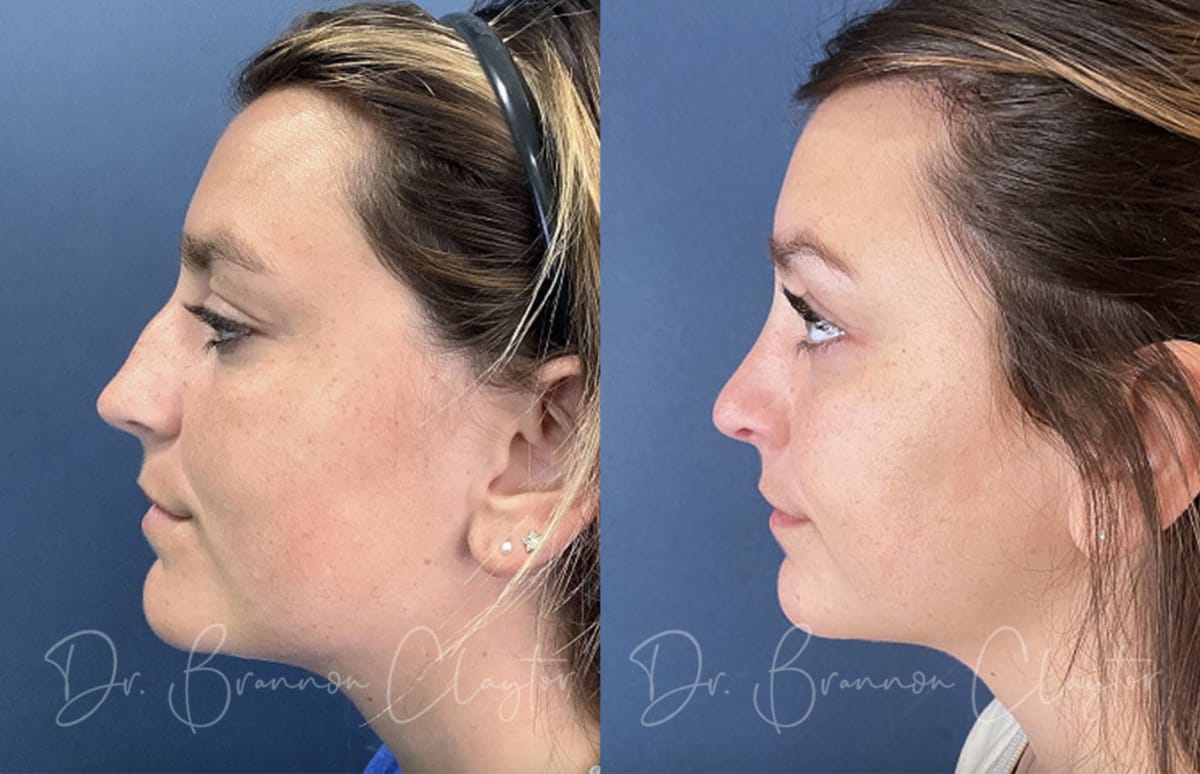
While some cosmetic procedures provide nearly instant results (we’re looking at you, BOTOX®), rhinoplasty results appear a bit more gradually. You’ll definitely have some swelling around your nose for the first few weeks following your surgery as your skin molds to your new nose shape, but don’t let this short-term inflammation discourage you; although many people think of rhinoplasty as having a “lengthy” recovery period, it is actually quite short considering the dramatic results it can deliver.
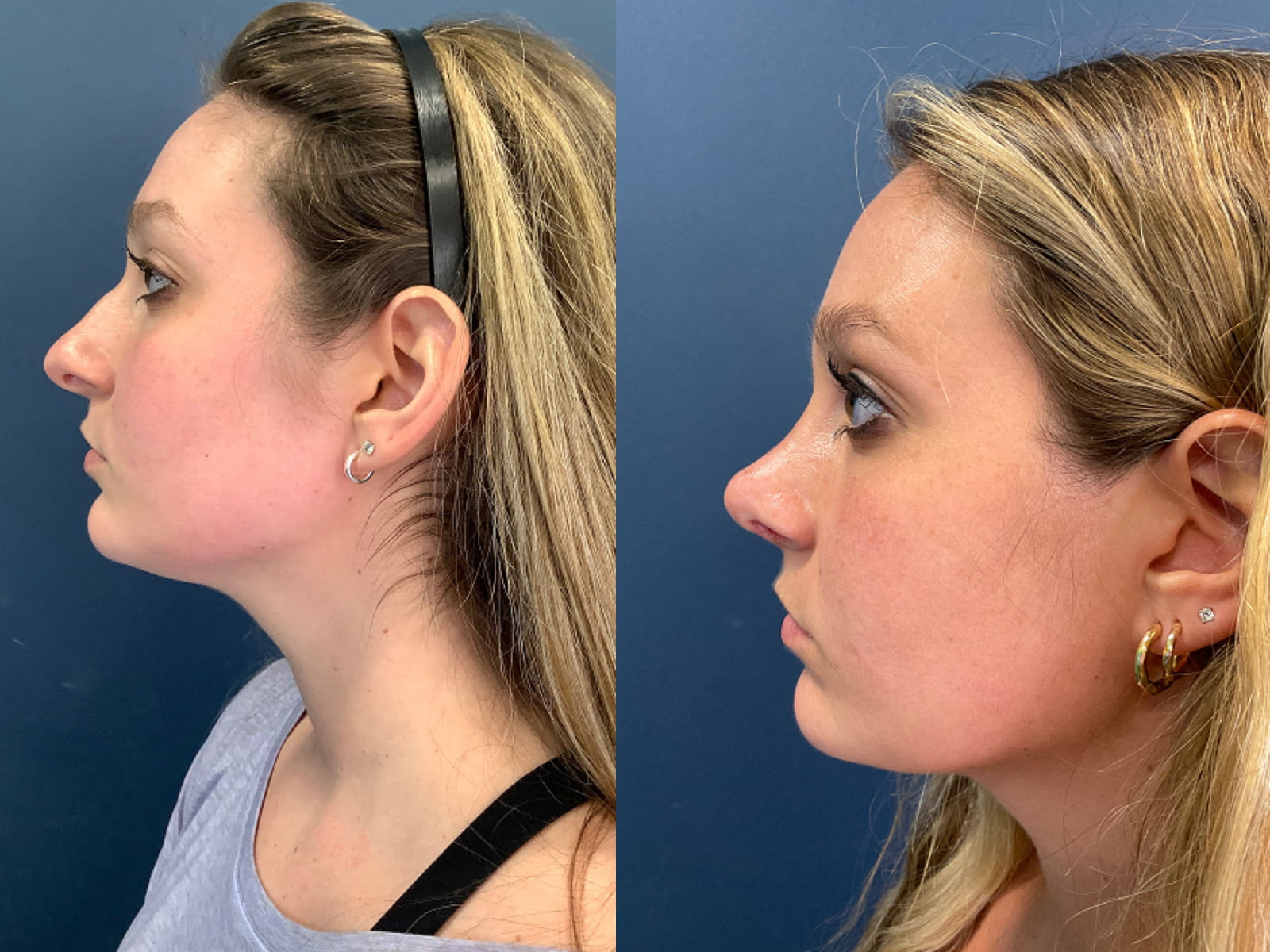
For all of our patients, 90% of swelling is resolved within 3 months of surgery. The last 10% of swelling is usually confined to the nasal tip, which may take slightly longer to heal due to its thick, sebaceous skin. The nasal tip is also directly connected to your nose’s underlying cartilage, and is therefore dependent on the healing of this tissue. For most patients, swelling may vary day-to-day during the first few months following your rhinoplasty.
Stages of rhinoplasty recovery
You can think of your healing process in two stages: your initial recovery, followed by your long-term healing:
Initial stage
You can expect to see immediate swelling and bruising following your surgery, but this will quickly diminish in the first week or two, at which point you may choose to return to public activities. During this initial stage, it’s important to remember that your results will improve as swelling diminishes and your tissues and/or bones heal.
Final stage
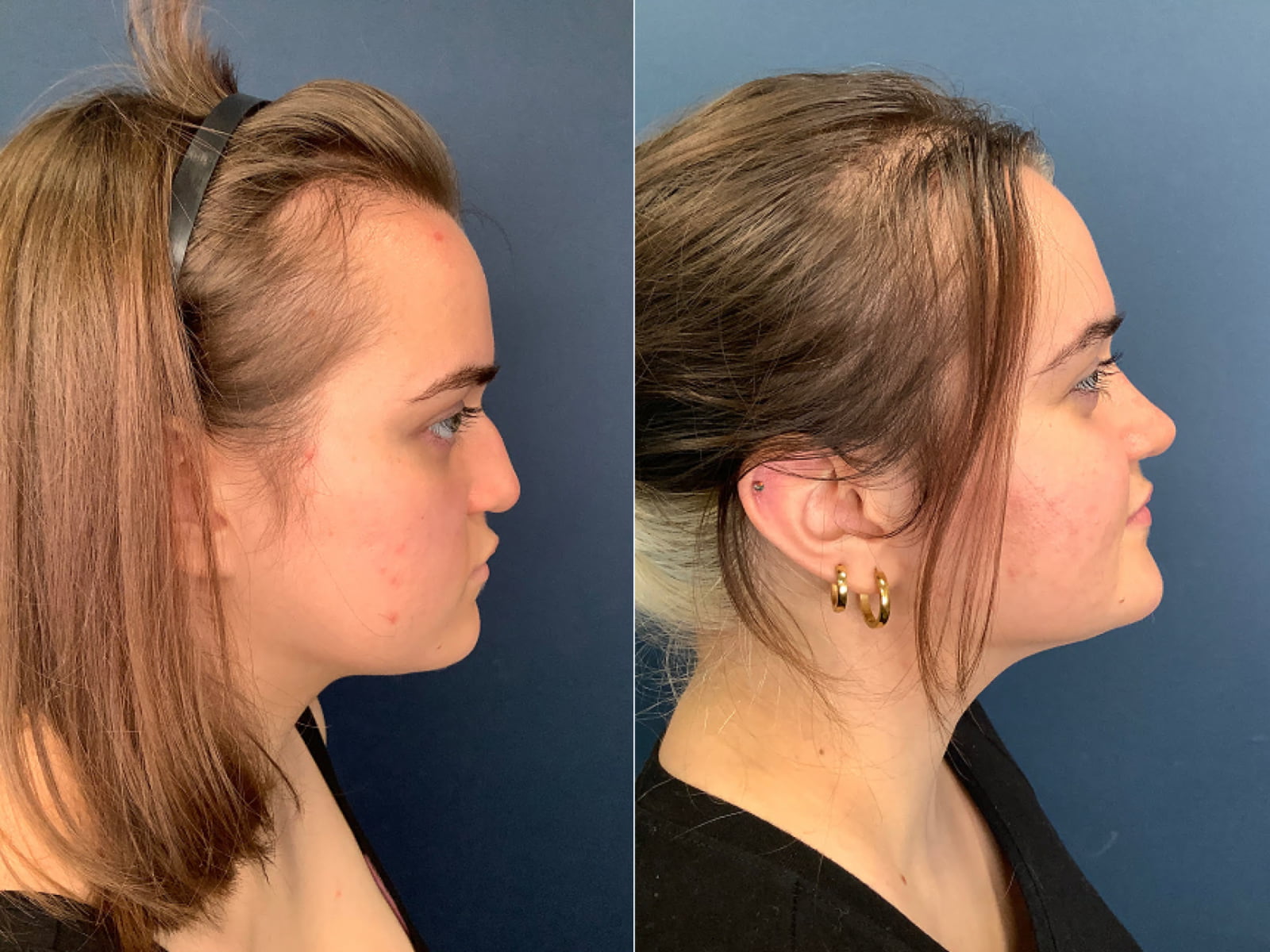
Most of our patients are happy with their new noses after just 2 weeks, and final results are visible at the 3-month mark. Though it may still take a few more months for subtle nose swelling to fully resolve, only you are likely to notice these more slight, final refinements in your results.
Our patients are happy with their new noses after just 2 weeks, and see final results in 3 months.
Why do some rhinoplasty results develop more quickly?
While it takes our patients 3 months on average to see full rhinoplasty results, there are some factors that can influence how long your final results may take to appear:
Open vs. Closed Rhinoplasty
Depending on your cosmetic goals and your surgeon’s approach, he or she may choose to perform an “open” or “closed” rhinoplasty. Open rhinoplasty involves making incisions at the base of the nose and within the nostrils. Closed rhinoplasty involves making incisions only within the nostrils. Because it is more invasive, open rhinoplasty may result in more swelling and, therefore, take longer to heal.
Nasal Tip Thickness
Everyone’s nasal tip skin thickness is different: thicker nasal tip skin generally takes longer to heal, while thinner skin may heal more quickly. If your nose skin is very thick, it may take slightly longer for your nose tip to fully heal—but remember, most of your swelling will be gone within the first 2 weeks, and it will likely be confined to your nasal tip.
Surgical technique
Here are a few ways that your surgeon’s technique can influence your recovery:
Typically, the less that one’s nasal skin is elevated above their cartilage during surgery, the less immediate post-operative swelling and bruising will occur. This is why I am very careful to minimize the level at which I elevate my patients’ nasal skin.
Sometimes rhinoplasty involves resetting the nasal bones; other times, trimming tissue and/or bone or attaching a graft is sufficient to achieve your desired results. It may take longer to heal if your surgeon has to reset any nasal bones, as this involves cutting and moving certain bones. However, I only reset nasal bones if a patient has experienced significant nasal trauma or they desire a more dramatic cosmetic improvement.
Primary vs. Revision Rhinoplasty
A revision rhinoplasty is performed to correct a previous rhinoplasty. Revision rhinoplasties may take somewhat longer to heal than primary rhinoplasties because:
- There is less cartilage present in the nose
- There is an increased amount of scarring in the nasal tissue
Be patient—great rhinoplasty results take time
Remember that your swelling is more noticeable to you than to anyone else. In the first few days following your procedure, it’s normal to want to see your final results. However, you will experience some degree of swelling, and everyone’s recovery is different depending on: 1) the nuances of their rhinoplasty, 2) their physical condition, and 3) their ability to adhere to their surgeon’s aftercare instructions. For these reasons, it’s important to discuss your rhinoplasty recovery with your plastic surgeon during a personal consultation.
What if my nose looks worse before it looks better?
You may feel like your nose looks worse at certain points during recovery than it did right after surgery. This can be alarming, but it’s usually completely normal.
In the first few days, swelling is distributed relatively evenly. But as initial swelling goes down, the pattern becomes uneven. One side might look more swollen than the other, or your tip might look bulbous while your bridge looks refined. Different areas heal at different rates, so temporary asymmetry is expected.
Around the 2-4 week mark, many patients feel like they’re experiencing a setback. Your nose might look wider or less defined than it did in week one. This happens because dramatic post-surgical swelling has decreased, but you’re left with deeper, stubborn swelling that’s harder to see but still affects appearance.
If you’re in an awkward phase of healing, remember it’s temporary. Most patients who feel discouraged at 6-8 weeks are thrilled with their results by 6 months.
Is there anything I can do to speed up my recovery process?
While it will take a few months for you to see your full rhinoplasty results, there are some things you can do to help facilitate your body’s healing process, including:
- Follow all of your surgeon’s post-op instructions to a T , including taking proper care of your incisions, attending follow-up appointments, and taking all prescribed medications.
- Eat a healthy diet and drink plenty of water. Avoid foods that are high in sodium, as they promote fluid retention.
- Immediately apply a cold compress or ice pack after surgery to minimize swelling and bruising. I ask my rhinoplasty patients to apply ice as often as they are capable for the first 24 hours after surgery.
- Keep your head elevated above your heart as much as possible, including while sleeping, to reduce swelling.
- Avoid activities that may harm your nose , such as mountain biking and martial arts.
- Avoid crowded places where your nose may inadvertently get bumped, such as crowded sporting events and concerts.
- Avoid strenuous exercise for the first 3 to 4 weeks after surgery.
- Avoid prolonged sun exposure.
- Avoid blowing your nose.
Is non-surgical rhinoplasty a real alternative to surgery?
Non-surgical rhinoplasty, also known as a liquid nose job, is performed by strategically injecting a dermal filler—typically Juvéderm® or Restylane® —into specific areas of the nose. Unlike rhinoplasty, non-surgical rhinoplasty results are temporary (lasting about 9 months to a year), and can only address certain aesthetic concerns, like reducing the appearance of a dorsal hump, enhancing symmetry, or increasing projection.
For those who want to preview the results of rhinoplasty before committing to surgery, non-surgical rhinoplasty can be a helpful procedure. However, because of its temporary results and inability to treat physiological issues or more advanced aesthetic concerns, non-surgical rhinoplasty should not be considered an “alternative” to surgery.
Choose a plastic surgeon who specializes in rhinoplasty
Dr. Claytor is a renowned double-board certified plastic surgeon in the Philadelphia area. He was named one of “America’s Best Plastic Surgeons” by Newsweek magazine for his exceptional skill and experience performing rhinoplasty. To find out if you’re a good candidate for rhinoplasty, schedule a consultation with Dr. Claytor online or call (610) 527- 4833. We look forward to helping you achieve your aesthetic goals!
Areas Served:

One of the most tell-tale signs of aging and weight fluctuations are “bat wings”— extra skin and fat that hangs off the upper arms. Bat wings can affect women and men of all shapes and sizes, but can’t be corrected with exercise and diet alone. While the most effective way to get rid of them is with arm lift surgery, those considering the procedure often ask if its results will be permanent. Below, Philadephia arm lift surgeon Dr. R. Brannon Claytor answers this common question and provides suggestions for how to maintain your arm lift results.
What is an arm lift?
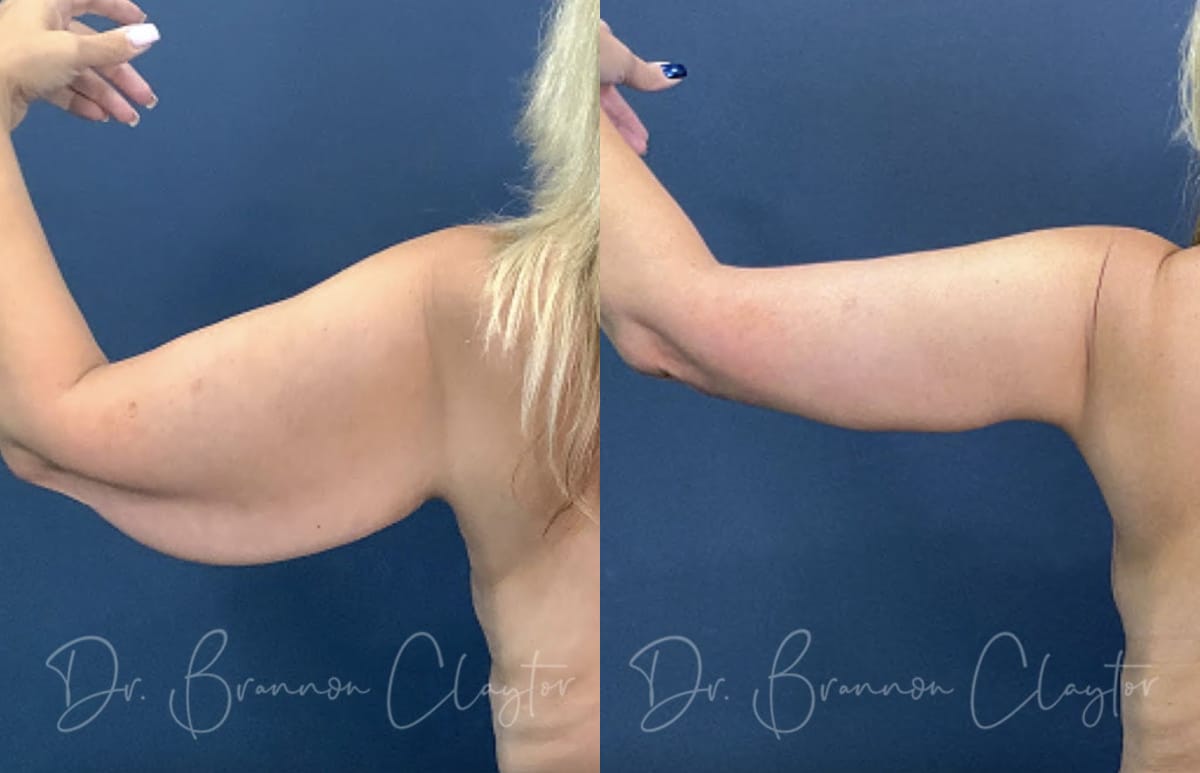
An arm lift, clinically referred to as brachioplasty, is a body lifting procedure that removes excess tissues and tightens loose skin & muscle on the upper arms between the elbow and shoulder. It is often combined with liposuction to remove stubborn fat deposits, further slimming the arms. After loose tissues are removed, the skin on the arms is then tightened and sutured, helping the arms look more toned and contoured.
With a 94% patient satisfaction rating, arm lift surgery has been labeled one of RealSelf’s “Most Worth It” procedures for the past 4 years. Patients often report feeling more confident, attractive, and confident after the procedure.
Arm lift surgery has a 94% patient satisfaction rating, making it one of the most ‘Worth It’ procedures.
Laser-assisted liposuction presents a less-invasive arm lift option
Laser-assisted liposuction, also called SmartLipo®, can be a less-invasive alternative to traditional arm lift surgery. Instead of surgically removing excess tissues following your liposuction procedure, SmartLipo applies thermal energy beneath the skin while suctioning away fat. This thermal energy stimulates new collagen growth, resulting in a 57% increase in tissue tightening over traditional liposuction.
Laser-assisted lipo offers a few more benefits over traditional lipo, including:
- Quicker and more comfortable recovery
- Full results are typically seen after 3-4 weeks (compared to 1-3 months)
- Only requires local anesthesia
You can learn more about SmartLipo and find out if you’re a good candidate for the procedure during a personal consultation with Philadelphia plastic surgeon Dr. Claytor.
How long will my arm lift results last?
Arm lift results can last for a decade or more, assuming you maintain a stable weight and healthy lifestyle. Additionally, because some skin and fat are permanently removed with the procedure, your arms will always look tauter than they would have without an arm lift. However, sagging will naturally continue with age and any weight fluctuations, therefore it’s normal for your initial results to fade somewhat over time. If additional sagging or fat accumulation is treated while it is still fairly mild, a non-surgical body contouring treatment may be adequate for future touch-ups.
How can I maintain my arm lift results?
While your arm lift results may not last forever, there are a few ways you can help extend them:
Adhere to a healthy diet & exercise routine
Diet: A healthy diet supports skin elasticity and collagen production—important factors when it comes to maintaining toned arms. Furthermore, being thoughtful about what you eat can help you maintain a steady weight, which is key to retaining plastic surgery results. We suggest the following timeless guidelines: avoid processed foods, consume alcohol only in moderation, eat a whole-foods based diet, and drink plenty of water.
Exercise: In addition to diet, exercise is key to maintaining beautiful arm lift results. While you’ll want to avoid strenuous activity (especially in your arms) for the first 6 weeks after your surgery, you should develop a regular fitness routine that includes both cardio and strength training exercises to help you keep weight off and tone your arms. (Tricep extensions and dips are some of our favorites.)
Follow proper scar aftercare steps
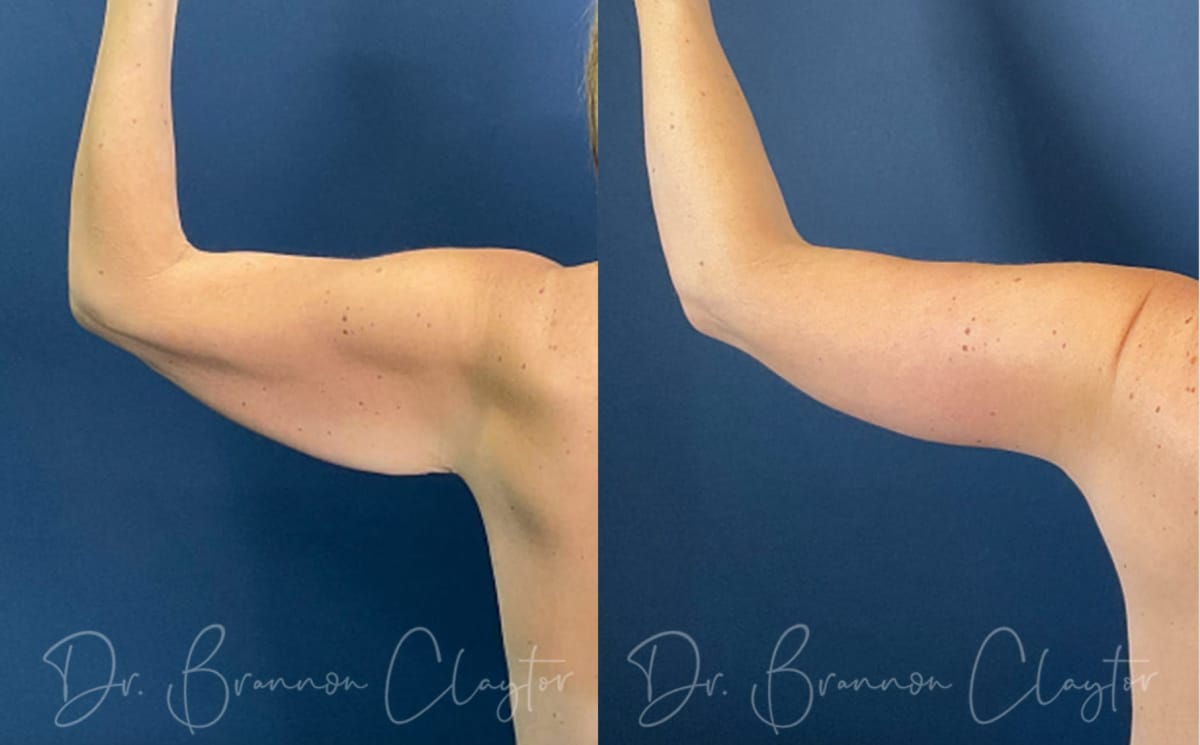
After your arm lift surgery, you will have a scar running between your elbow and shoulder on each arm. These scars will fade on their own over time, but you can help reduce their appearance even further by following these aftercare tips:
- Avoid nicotine products, including tobacco, vaping, and Nicorette®
- Use a medical-grade, silicone-based scar cream, such as Biocorneum®
- Avoid sun exposure and always use a high-SPF sunscreen, such as Alastin® Skincare’s HydraTint Pro Broad Spectrum SPF 36
- Sleep with your arms elevated for the first two weeks after your surgery to reduce swelling
If you have taken these steps and are still unsatisfied with your arm lift scars, fractional laser skin resurfacing may be able to help further lighten and fade scars by encouraging cell turnover.
Following your surgeon’s aftercare instructions can minimize scarring and extend your arm lift results.
Wear compression garments
You will need to wear compression garments on both arms for 3-6 weeks following your arm lift surgery. These garments will help minimize swelling and scarring, and help your arms adapt to their new contour.
Maintain a stable weight long-term
Weight fluctations can affect your arm lift results:
- Minor fluctuations of 5-10 pounds typically won’t have a noticeable impact on your arm contour. These small changes are normal throughout the year due to holidays, stress, or lifestyle shifts, and your results should remain stable.
- Moderate changes of 10-20 pounds can start to affect how your arms look. Weight gain in this range may add fullness back to your upper arms, while weight loss could cause some looseness to reappear, though usually less than you had before surgery.
- Significant changes of 20+ pounds will likely have a visible impact. Substantial weight gain can stretch the skin and obscure the improved contour created during surgery. Substantial weight loss can cause loose skin to return, though the degree depends on your skin’s elasticity.
The best approach for permanent arm lift results is to reach your goal weight before surgery and maintain it within a 10-pound range afterward. If major weight changes are likely in your future, it’s better to postpone your arm lift until your weight stabilizes.
Choose a board certified plastic surgeon
Beautiful arm lift results begin with choosing a board certified plastic surgeon for your procedure. A common mistake underqualified surgeons make is not leaving enough skin to properly close the arm lift incision; this can place excess tension on the incision, leaving behind thin, stretched skin. An underqualified surgeon may also leave you with tighter skin on one arm than the other.
An experienced, board certified plastic surgeon will take great care when making your incisions in order to minimize scarring and create proportional, symmetric results. He or she will also guide you to the most effective medical-grade scar care and provide detailed pre- and post-op instructions to help you achieve the best possible outcome.
Board certified plastic surgeon Dr. Claytor performs arm lift surgery under local anesthesia in his on-site accredited surgical facility, or as an outpatient procedure at Bryn Mawr Hospital or the Surgery Center of the Main Line. To reduce visible scarring, he hides arm lift scars within the armpit area so that they are not visible from the front or back when the arms are down.
Dr. R. Brannon Claytor
Dr. Claytor is board certified by the American Board of Plastic Surgery and holds over 20 years of experience as a cosmetic plastic surgeon. An innovator and teacher in the field of plastic surgery, he uses advanced techniques like the drain-free tummy tuck and deep plane facelift to streamline recovery and provide natural-looking, durable results.
Do I need an arm lift?
While no one needs an arm lift (it is an elective procedure), you may be a good candidate if:
- You have had weight loss (bariatric) surgery
- You have loose, sagging skin on your arms that you feel detracts from your overall appearance
- You are a non-smoker with no serious medical conditions
- You are at or near your target weight and have a BMI under 30
- You understand that the procedure will leave a scar
View this post on Instagram
Interested in arm lift surgery? Contact Main Line plastic surgeon Dr. Claytor.
Board certified plastic surgeon Dr. R. Brannon Claytor has helped patients from Philadelphia, Main Line, Bryn Mawr, and surrounding areas slim and tone their arms for over 20 years. According to one of Dr. Claytor’s arm lift patients on RealPatientRatings.com, “The results were beyond my expectations. Dr. Claytor treated me with respect and was attentive. The staff is top-notch.” Schedule your consultation with Dr. Claytor online or call (610) 527-4833.
Areas Served:

Looking for a tummy tuck with a streamlined recovery, natural-looking results, and fewer complications? You are wise to learn about the drain-free tummy tuck, a specialized procedure that achieves gorgeous results while also eliminating the need for post-operative drains. As an expert in this technique, Philadelphia plastic surgeon Dr. Brannon Claytor has exclusively performed drain-free tummy tucks for over 10 years. Here are 4 reasons to choose this procedure, plus how to find a tummy tuck surgeon.
1. No cumbersome drain to wear after surgery
The obvious benefit of a drain-free tummy tuck? There are no post-op drains to wear! Dr. Claytor’s technique allows the body to drain fluid from the surgical area on its own. You’ll completely skip the hassle of emptying drain fluids after surgery, as well as the 24/7 discomfort of wearing drains.
Being more comfortable sooner after surgery also means that you may find it easier to be up and about. This movement helps you to more quickly return to normal; Dr. Claytor encourages his patients to be lightly active around the house and take a shower the day after surgery.
Being more comfortable after surgery also means that you may find it easier to be up and about, which helps you to more quickly return to normal.
2. Faster tummy tuck recovery
Tummy tucks are well-known for requiring patience during the recovery period, but a major benefit of a drainless tummy tuck is that the technique helps to speed up recovery. During surgery, Dr. Claytor leaves a thin layer of scarpa’s fascia (connective tissue) intact below the skin, ultimately leaving the abdominal wall’s natural lymphatic drainage system intact, also. This allows the body to carry away fluid that would otherwise accumulate in the operated area, and it has added benefits: there is less trauma to your tissues, improving blood supply and reducing the strain on your healing body.
3. Fewer complications
Dr. Claytor’s independent research has demonstrated that drainless tummy tucks result in lower fluid collection rates than those of those patients who wear plastic drains at their incision sites. This helps to reduce the odds of developing a seroma, a post-surgical complication in which fluid collects beneath the skin.
4. Excellent tummy tuck results
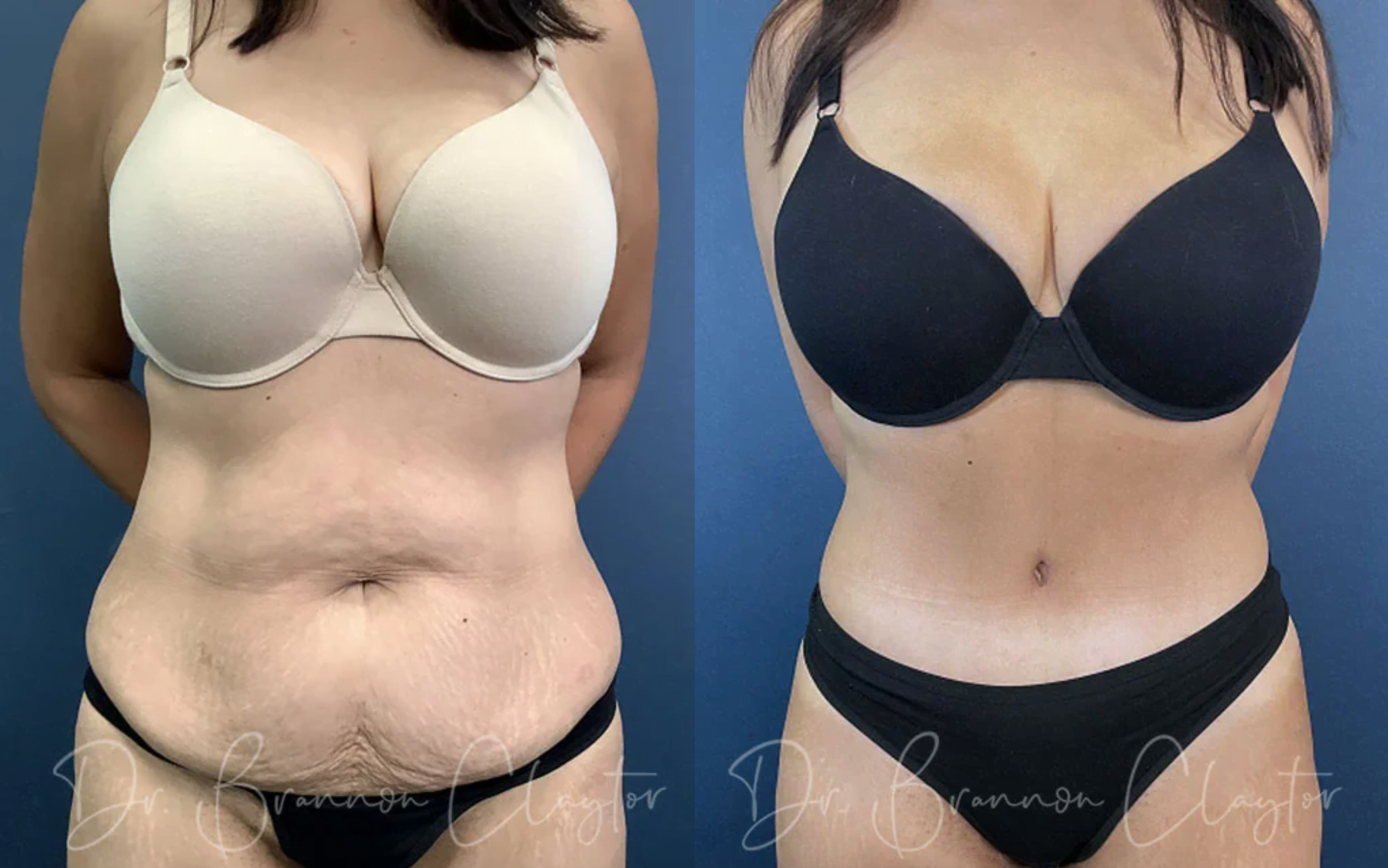
A drainless tummy tuck addresses the same concerns as a traditional tummy tuck: this technique also tightens stretched abdominal muscles, removes excess skin, addresses fat deposits or a tummy pooch, and creates a natural-looking belly button. As such, you can expect the same benefits to your shape, your comfort, and your confidence:
- Firmer, more supportive abdominal musculature
- Relief from diastasis recti (separated abdominal muscles) & symptoms related to the condition, such a lower back pain and urinary incontinence
- Removal of excess skin and fat
- A contoured, proportional abdominal shape
- Improved quality of life
As with a traditional tummy tuck, incisions are typically placed from hip bone to hip bone, low on the abdomen so that they are hidden within the bikini line once healed.
Finding a surgeon for a drain-free tummy tuck
Before scheduling a consultation, ask any plastic surgeon you are considering if they perform drainless tummy tucks, technically called a scarpas-sparing abdominoplasty. Not all surgeons are trained and experienced in this technique, and you should not choose a surgeon who is any less than a specialist in this advanced method. As always, it is critical to look for a surgeon’s board certification, skill, and evidence of many previous happy patients.
Philadelphia plastic surgeon Dr. Brannon Claytor is a well-known drainless tummy tuck expert. In addition to educating his Bryn Mawr, Main Line, and Philadelphia tummy tuck patients about this procedure, Dr. Claytor educates fellow surgeons on the drain-free technique and has pioneered research that demonstrates its effectiveness; he also teaches an advanced course on scarpas-sparing abdominoplasty at national meetings of The Aesthetic Society. Learn more about Dr. Claytor & our plastic surgery office »
In this educational video for fellow plastic surgeons, Dr. Claytor narrates an animation demonstrating how he performs a drainless tummy tuck—with an emphasis on how he incorporates liposuction for more comprehensive results.
Am I a good candidate for a tummy tuck without drains?
Most patients who are a good candidate for tummy tuck surgery (in overall good health, at a stable weight, with exercise- and diet-resistant fat and excess skin on the abdomen) are also excellent candidates for a drain-free abdominoplasty. Rest assured that you will receive personalized advice and recommendations at your consultation, so meeting with Dr. Claytor at our Bryn Mawr plastic surgery office is the best way to learn if this surgery may truly be appropriate for you.
Most patients who are a good candidate for tummy tuck surgery are also excellent candidates for a drain-free abdominoplasty.
Why choose Dr. Claytor for your plastic surgeon?
Double Board-Certified for a high level of safety and precision
Chief of Plastic Surgery at Main Line Health, a top health system
Board Member of The Aesthetic Society, shaping the future of aesthetics
10x Philadelphia Magazine Top Doctor for exceptional patient care
Recognized as one of America’s Best Plastic Surgeons by Newsweek
Drain-free recovery expert for faster, more comfortable healing
Deep plane facelift innovator and global educator
Active researcher in surgical and non-surgical aesthetic advancements
Highly regarded for his surgical expertise and outcomes, as well as his dedicated follow-up care




Philadelphia board-certified plastic surgeon Dr. Brannon Claytor is highly experienced with this technique, and he is passionate about helping body contouring patients meet their goals safely and efficiently. Schedule your personal consultation with Dr. Claytor by calling 610-527-4833 or contacting Claytor Noone Plastic Surgery online today.
Areas Served:

The term “mini breast aug” refers to a specialized version of breast augmentation and is designed to provide subtle, natural breast enhancement without creating a dramatic change in size. While the technique is not new—Philadelphia plastic surgeon Dr. Brannon Claytor has been performing natural-looking breast augmentation for decades—the increasing demand for aesthetic procedures that enhance natural beauty has recently popularized the term.
Here, Dr. Claytor explains his approach to mini breast augmentation and who may be a good candidate for the technique.
Dr. Claytor’s approach to mini breast augmentation
Dr. Claytor recommends a mini breast aug to achieve aesthetic goals such as:
- Improving breast shape and proportion conservatively
- Restoring a moderate amount of lost volume
- Correcting mild asymmetry between breasts
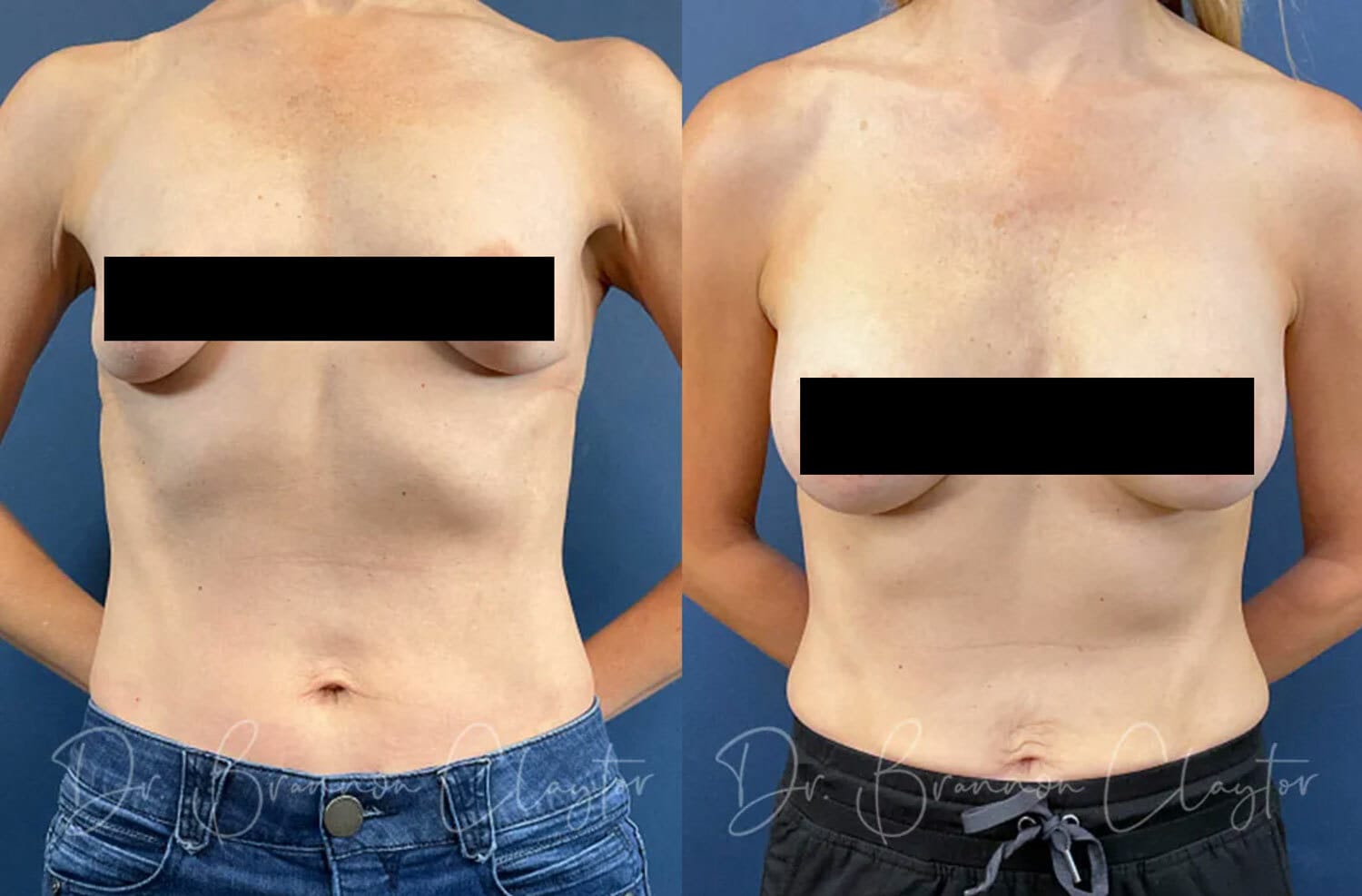
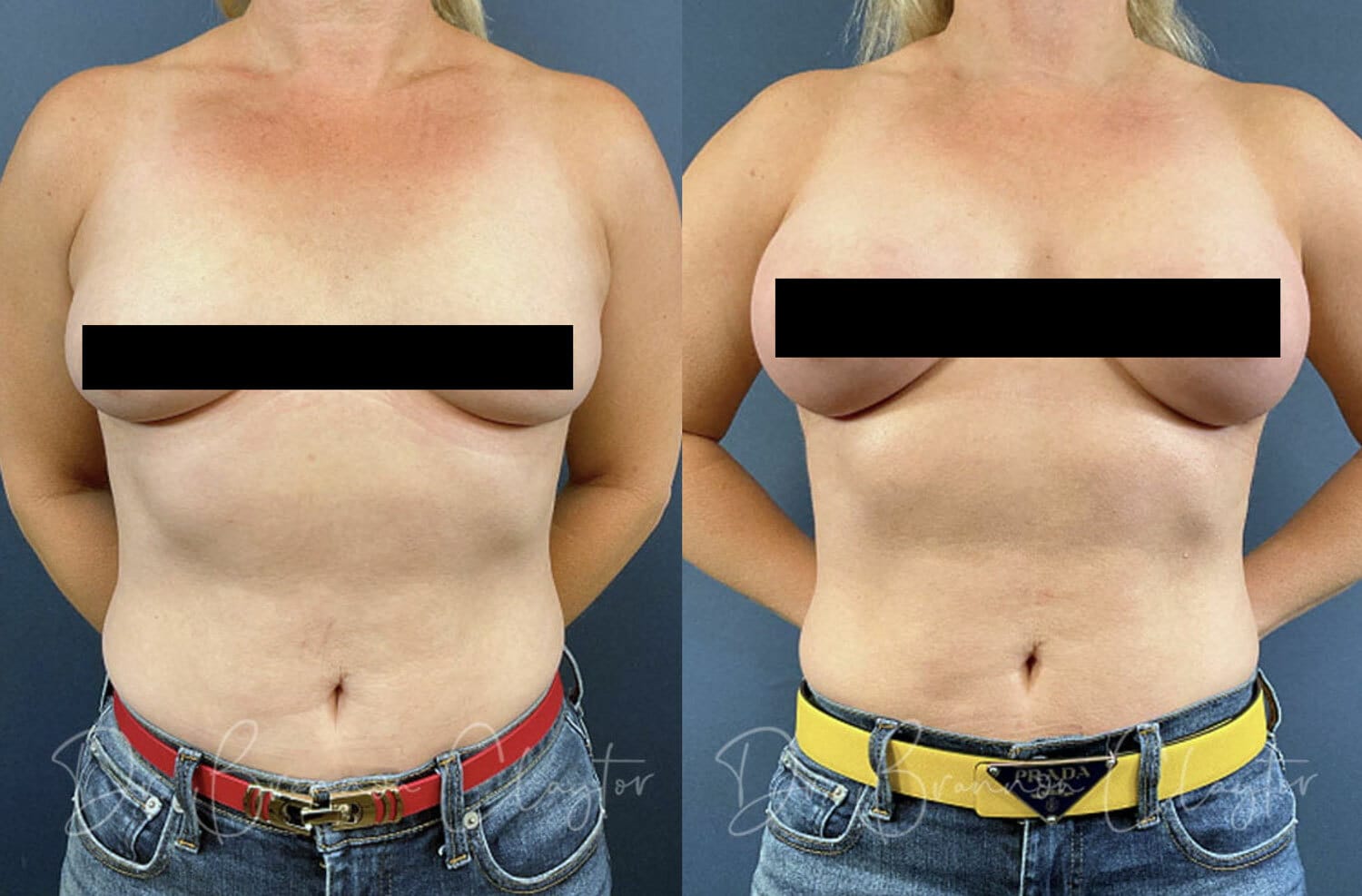
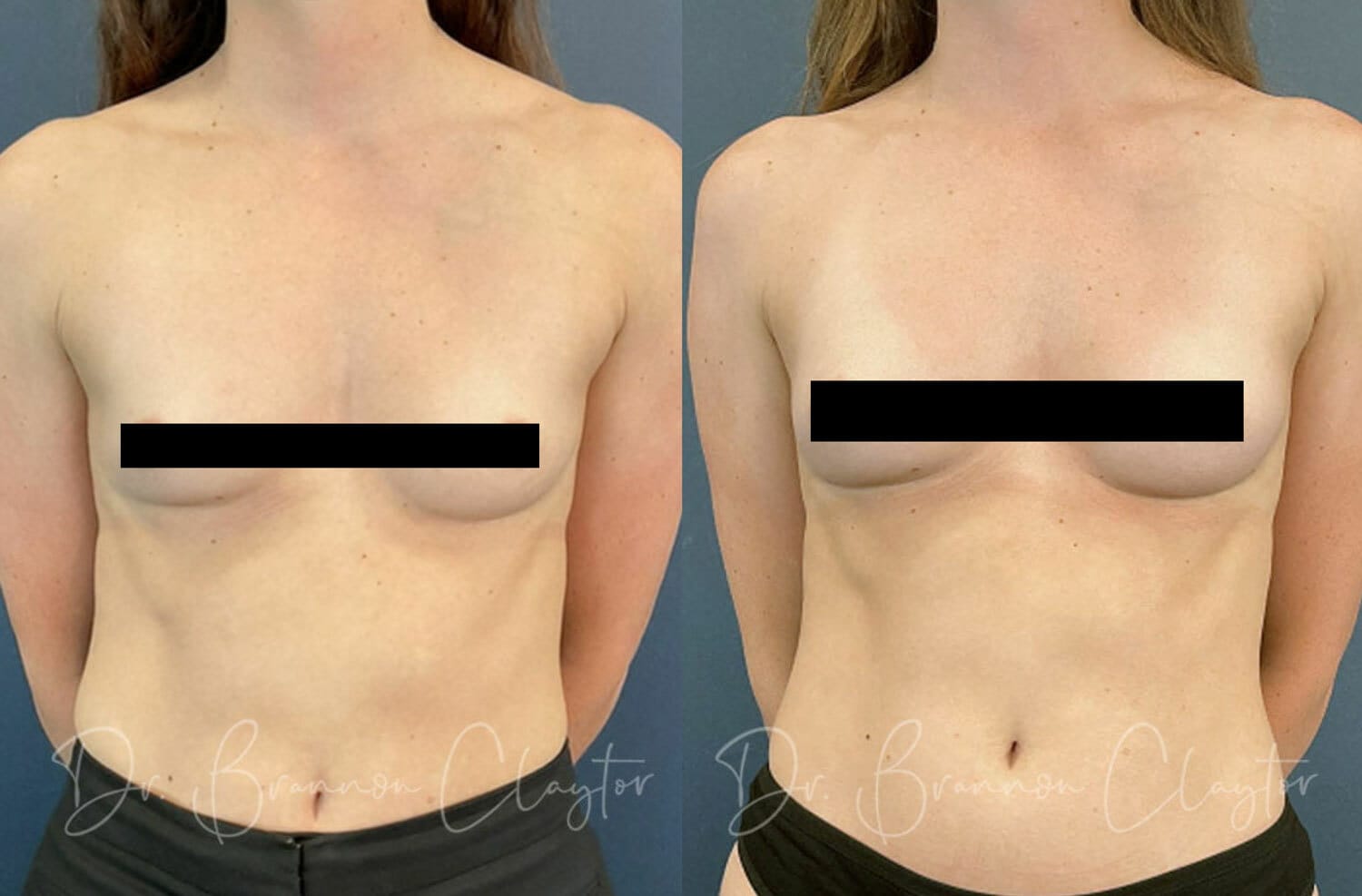
Generally, patients seeking a mini breast aug increase their breast volume by about one cup size. A mini breast augmentation can be achieved through two primary techniques: breast implants and fat transfer to the breast.
Mini breast aug with implants
If implants are chosen, they are typically smaller in size, often in the range of 100cc to 250cc. Keep in mind that there are several measurements and considerations Dr. Claytor accounts for when recommending an implant size range for mini breast augmentation—the implant size right for you may not fall within the typical range. It is imperative that you choose a highly experienced Philadelphia breast augmentation specialist to ensure you love your results.
The mini breast augmentation aligns with a broader shift in plastic surgery trends toward subtle, natural enhancements.
Just like with any breast augmentation procedure, you’ll have a choice between saline and silicone implants, as well as different profile options. Dr. Claytor can also place your implants either above the muscle (subglandular) or beneath the muscle (submuscular). In some cases, Dr. Claytor can safely and painlessly perform mini breast augmentation under IV sedation and local anesthesia instead of general anesthesia.
The results of a mini breast aug with implants provide just the right amount of shape and volume to correct mild aesthetic concerns and enhance the natural elegance of your breasts. Dr. Claytor’s team uses Crisalix 3-D imaging to show you how you will look with different-sized breast implants so you feel confident in your choices.
Mini breast aug with fat transfer
Fat transfer to the breast is also an excellent option to achieve a mini breast augmentation. Dr. Claytor uses liposuction to harvest fat from areas such as the abdomen, thighs, or flanks and then carefully purifies it to be injected into your breast tissue. With your goals in mind, Dr. Claytor precisely places the fat to correct minor imperfections and enhance the overall appearance of your breasts—similarly to breast implants.
“Mini breast aug” is a trending term for what Dr. Claytor has delivered for hundreds of patients—natural breast augmentation results that align seamlessly with your goals.
Not all of the transferred fat survives, so Dr. Claytor typically places a little more fat than needed so that your final results meet your expectations. In some cases, patients may need a secondary procedure if they experience lower fat transfer take rates. Fat transfer mini breast augmentation is just as personalized as augmentation with implants and has the added benefit of targeted fat removal in other body areas. It can also be performed under local anesthesia with sedation, making it an attractive choice for those who want to avoid general anesthesia.
Dr. Claytor will explain both options during your consultation and help you determine the right approach for you.
Candidates for a mini breast augmentation
A mini breast augmentation is ideal for patients who:
- Desire a subtle enhancement rather than a dramatic transformation
- Have adequate skin elasticity and minimal sagging
- Are seeking moderate volume restoration after pregnancy or weight loss
- Want to correct mild asymmetry or enhance their natural breast shape
Although not everyone is a candidate for a mini breast augmentation, patients who work with Dr. Claytor can still achieve natural breast augmentation results. For example: Even if you would benefit from a breast lift (mastopexy) to remove excess skin and firm your breast tissue along with your augmentation, your results will still look natural.
It’s important to remember that “mini breast aug” is a trending term for what Dr. Claytor has delivered for hundreds of patients—natural breast augmentation results that align seamlessly with your goals.
Philadelphia mini breast augmentation
If you’re considering a mini breast augmentation, we invite you to schedule a consultation with our experienced, double board-certified plastic surgeon Dr. R. Bannon Claytor to learn more about your options. We proudly serve the Bryn Marw, Main Line, and surrounding Philadelphia areas. Call our Bryn Mawr plastic surgery office at 610-527-4833 to get started.
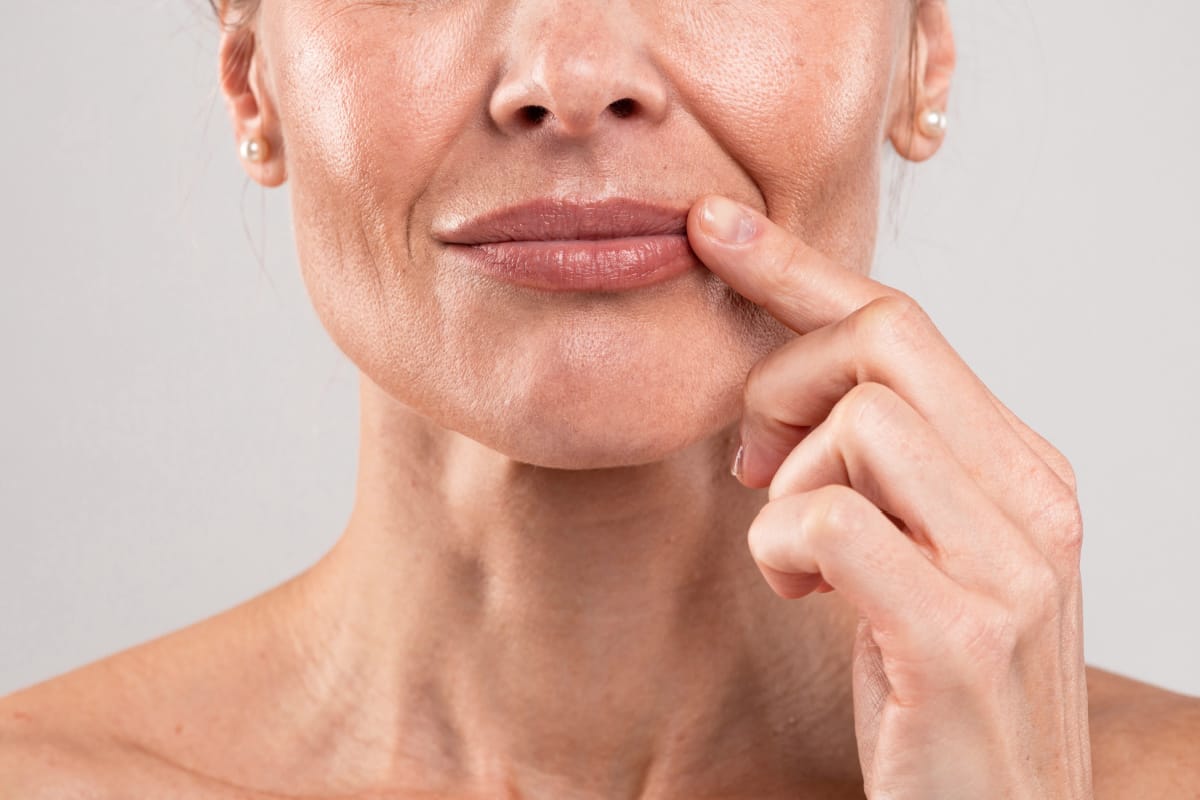
Dr. Brannon Claytor’s proprietary three-step anti-aging treatment, LaMiNa, is especially effective for reducing perioral “lip lines”—an area that is notoriously difficult to treat. Taking note of these results, New Beauty magazine recently featured the groundbreaking treatment alongside an interview with one of Dr. Claytor’s patients, LuAnne.
Thanks to Dr. Claytor’s innovative approach—combining CO2 laser resurfacing, microneedling, and nanofat transfer—this “LaMiNa” treatment minimizes even stubborn vertical lines around the lips. Laser remodels the skin, while microneedling deeply penetrates the skip to deliver the final step—nanofat, harvested with a small liposuction procedure—deep into the skin with two noteworthy effects:
- Deepens the effects of the laser procedure
- Promotes faster healing and reduces pain from the laser
According to LuAnne, “The way he explains it to me is that your body realizes it’s your own fat, and somehow it heals it, and you just don’t feel that burning sensation at all…It felt so soothing like my skin recognized it immediately.” She added that, by day 5 post-treatment, “The texture of my skin was amazing. It was just so much better.”
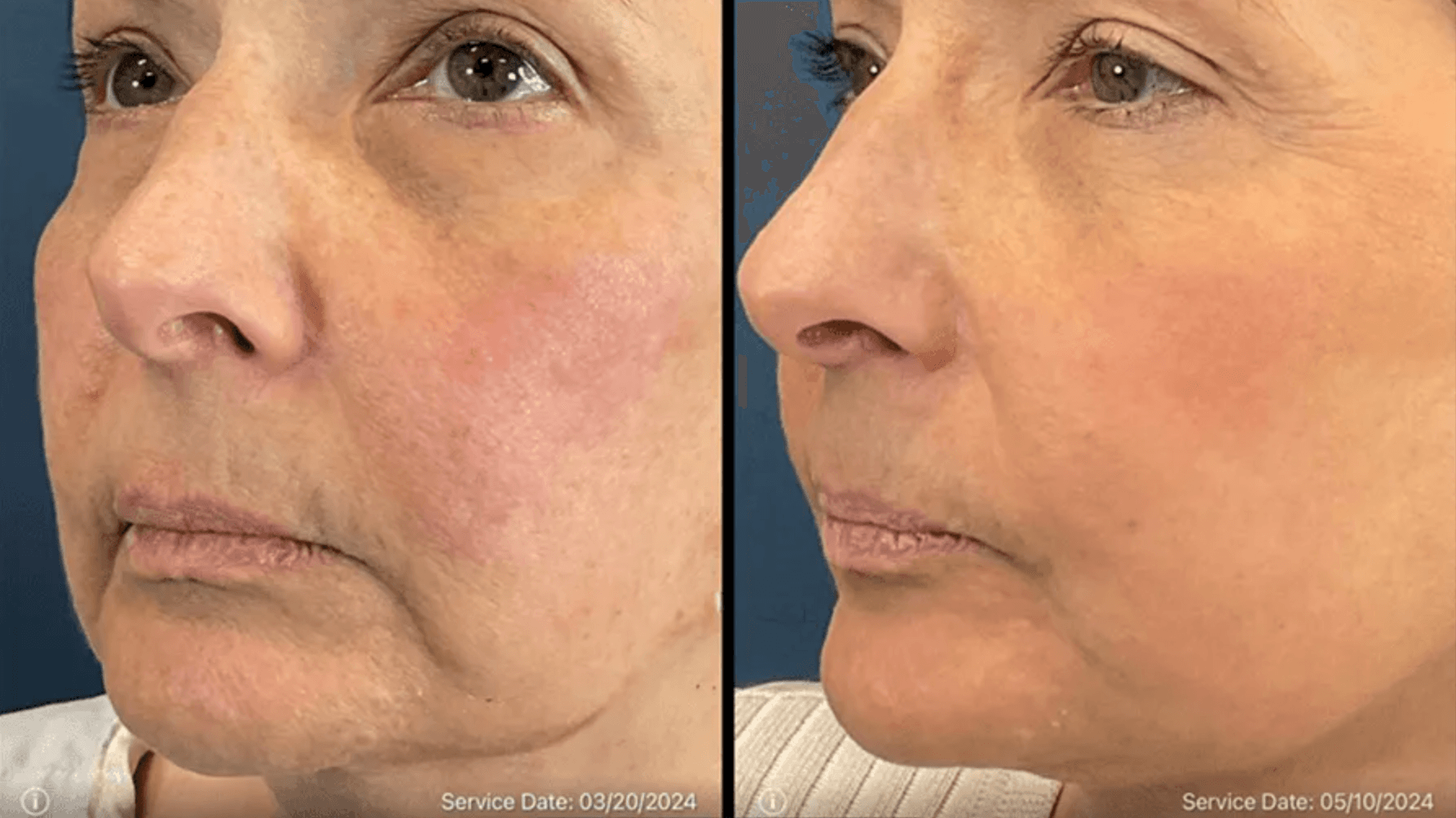
The three-step protocol can be applied to the face, neck, and chest, and doesn’t only target lip lines—it also addresses sun damage, skin texture, and wrinkles in other areas, making it a highly versatile solution for facial rejuvenation.
Lip lines can be one of the most challenging areas to rejuvenate, but the LaMiNa procedure provides a targeted solution that blends advanced technology with natural regenerative aesthetics for subtle, beautiful results and minimal downtime.
With more than two decades of surgical experience and aesthetic expertise, Philadelphia plastic surgeon Dr. Claytor works hard to make sure that each patient’s journey is tailored to their goals and overall skin health, while employing the most advanced techniques and technology available.
Frustrated by lip lines that age your appearance?
Dr. Claytor would be happy to meet with you! If you’ve been struggling with persistent lip lines or want to refresh your look, we invite you to learn more about how the LaMiNa treatment can help you achieve smoother, more youthful-looking skin—and experience the life-changing transformation that so many of our patients are enjoying.
Contact us today to schedule your personal consultation!

Philadelphia plastic surgeon Dr. R. Brannon Claytor is gaining national attention after New Beauty® recently featured his proprietary LaMiNa treatment. The article, Nanofat Plastic Surgery Is the Next Big Trend You Need to Know About, highlights the growing trend of nanofat use in both clinical and aesthetic medicine, emphasizing its holistic approach to rejuvenation and superior outcomes that were once thought unachievable with a minimally invasive procedure alone. Here, we share more insight into why nanofat grafting is gaining significant traction as an invaluable tool to enhance aesthetic outcomes.
Dr. R. Brannon Claytor
Dr. Claytor is board certified by the American Board of Plastic Surgery and holds over 20 years of experience as a cosmetic plastic surgeon. An innovator and teacher in the field of plastic surgery, he uses advanced techniques like the drain-free tummy tuck and deep plane facelift to streamline recovery and provide natural-looking, durable results.
What is nanofat?
Nanofat is a refined form of fat that is harvested from the patient and processed down to its smallest regenerative components. The remaining solution is rich in both anti-inflammatory and restorative properties. Nanofat’s uses and benefits far surpass conventional fat grafting methods. Traditional fat transfer procedures are primarily used to add volume, while nanofat works on a cellular level to significantly enhance the skin’s ability to heal itself and naturally rejuvenate. Nanofat helps rebuild collagen and other key dermal structures, improving a range of concerns including lines, rough skin texture, and volume loss in aesthetic procedures.
The use of nanofat represents a significant advancement in aesthetic medicine, and Dr. Claytor has dedicated many years of clinical research to understanding nanofat and how best to use its benefits to achieve stronger results for his patients.
Incorporating nanofat grafting for advanced facial rejuvenation
Dr. Claytor recognized the potential benefits of nanofat long ago and has spent years researching and testing the best ways to incorporate nanofat into his aesthetic practice. In fact, Dr. Claytor published a scientific study in 2023 investigating the safety and efficacy of LaMiNa, which incorporates nanofat to address “barcode lines” (fine lines and wrinkles around the mouth that are notoriously difficult to treat).
Dr. Claytor was then awarded “Best Non-Surgical Publication” at the prestigious Beauty Through Science conference in Stockholm, Sweden for his groundbreaking research on LaMiNa earlier this year.
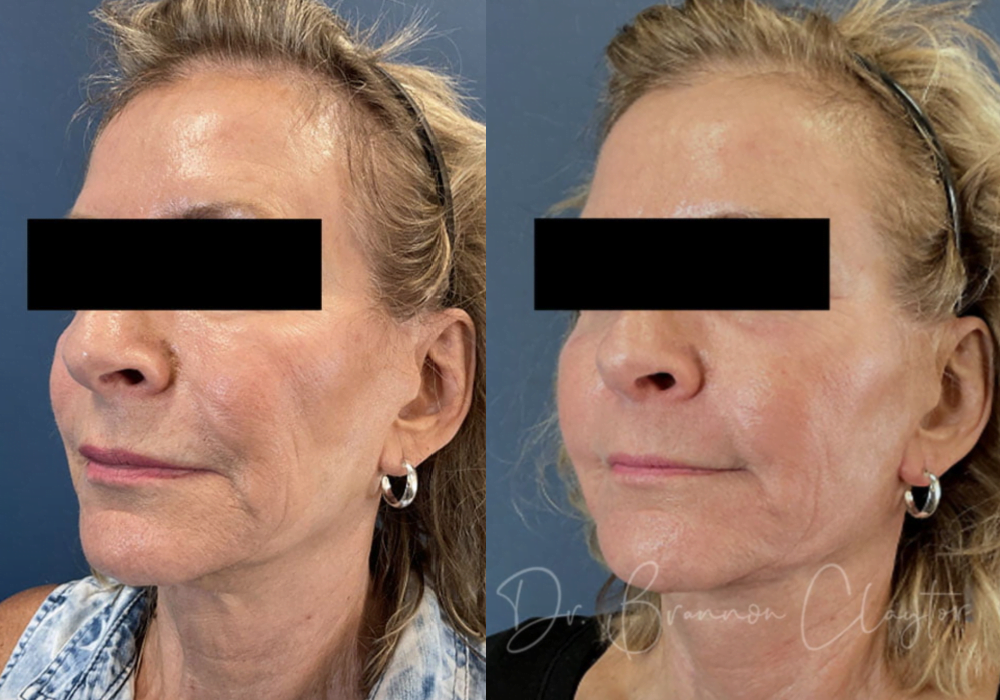
Dr. Claytor’s novel LaMiNa treatment (Laser + Microneedling + Nanofat) is a three-step process performed in a single session at our Philadelphia plastic surgery center:
- Laser skin resurfacing: Targeted CO2 lasers to remove the outer layer of damaged skin. This process significantly diminishes existing lines and wrinkles and stimulates the body’s natural healing response, resulting in new collagen and elastin formation beneath the skin. Collagen and elastin are key proteins that give the skin structure, volume, and elasticity.
- Microneedling: Dr. Claytor then uses microneedling to create micro-punctures in the skin. Microneedling also triggers a healing response to enhance collagen and elastin production further and primes the skin to receive the nanofat.
- Autologous Nanofat: In the final and most impactful step of the LaMiNa treatment, Dr. Claytor harvests a small amount of fat from the patient and carefully processes it before applying it to the treatment area. The tiny punctures formed in the skin after microneedling allow the regenerative properties within the nanofat to deeply penetrate the skin and accelerate healing.
The combined results of these three processes effectively reduce signs of aging with minimal downtime. All patients in the study verbally reported no pain following the procedure and experienced rapid recovery in an average of five days.
Dr. Claytor’s study on LaMiNa won “Best Non-Surgical Publication” at the Beauty Through Science conference in Stockholm, Sweden.
The New Beauty article champions how Dr. Claytor’s LaMiNa technique stands out as a groundbreaking treatment combination that effectively reduces fine lines and restores youthful volume around the lips, particularly for his Philadelphia facelift patients.
Because trying to pull the mouth area tight during facelift surgery creates an unnatural, windswept appearance, and fillers are simply not designed to address the root causes of volume loss that contribute to barcode lines around the mouth, Dr. Claytor uses LaMiNa to restore the lost volume that allowed lines to form in the first place. Patients see an immediate improvement in surface-level concerns and, because collagen and elastin production is amplified, the initial results continue to enhance over the following months as the nanofat stimulates deeper skin rejuvenation and better skin health.
Facial rejuvenation in Philadelphia
If you are looking for a facial rejuvenation expert in the Bryn Mawr or Main Line areas to help you turn back the clock on aging, please call Claytor Noone Plastic Surgery at 610-527-4833 to schedule a personal consultation with Dr. Claytor. With over 20 years of experience in achieving outstanding, remarkably natural-looking results, Dr. Claytor is the premiere choice in the Philadelphia area for all your plastic surgery needs.

As a deep plane facelift specialist and internationally-renowned plastic surgery educator, Dr. Brannon Claytor has adopted many advancements in facelift technique over the years. One of the most significant, yet not widely discussed, is the ability to undergo a facelift while you are awake.
What is an awake facelift?
An “awake” facelift is performed using only oral medication for relaxation and tumescent anesthesia to numb the surgical area. Instead of putting you completely asleep under general anesthesia, this puts you in a relaxed state, where you are still responsive. Tumescent anesthesia involves the injection of a local anesthetic directly into the surgical area for numbing.
While Dr. Claytor offers facelifts under general anesthesia as well, he has found that nearly 90% of women and men prefer this “awake” facelift experience.
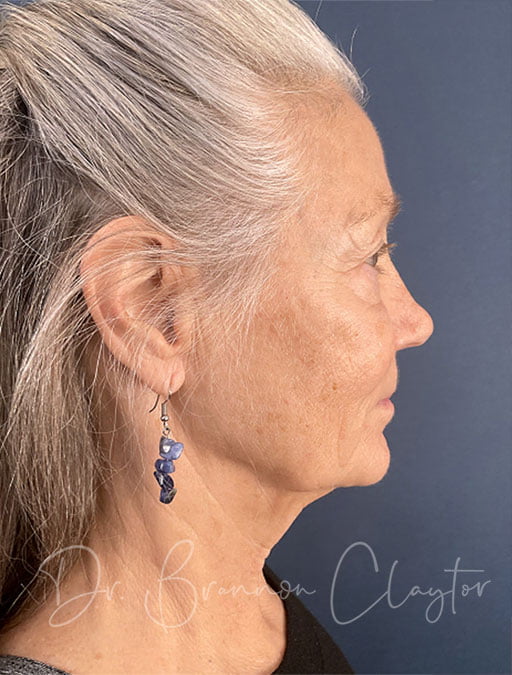
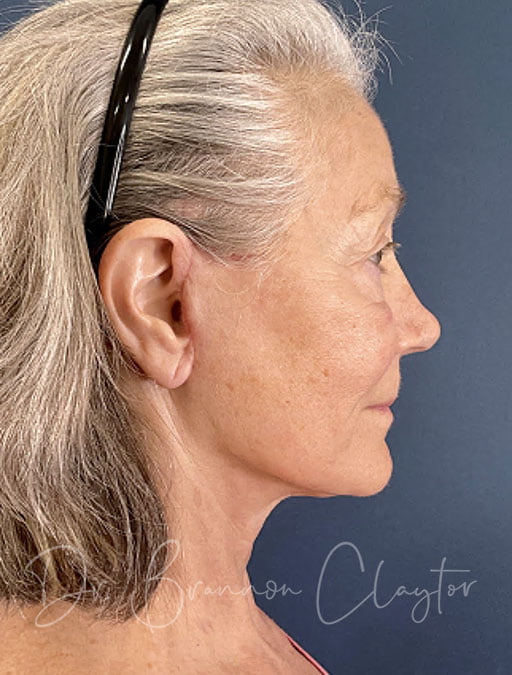
This patient underwent a deep plane facelift with Dr. Brannon Claytor.
*Individual results may vary on a case-by-case basis
Dr. Claytor’s facelift approach
Your facelift surgery technique will be fully customized for you, and it will be the same whether you are awake or asleep. During the consultation, Dr. Claytor will examine your areas of concern and talk with you to learn about your goals. For most patients, he recommends the deep plane facelift technique to lift the skin and underlying muscles of the face and smooth jowls, tighten crepe-like skin in the neck, and create a well-defined jawline. Many patients choose to combine their Philadelphia facelift with laser skin resurfacing with nanofat and microneedling (Dr. Claytor’s proprietary LaMiNa technique), a lip lift, or upper face procedures like eyelid lift for an evenly youthful appearance.
Benefits of Choosing an Awake Facelift
1. Quicker recovery time
One of the immediate benefits of an awake facelift is a streamlined recovery process. General anesthesia can leave you feeling groggy and disoriented for several days post-operation, and can have side effects like nausea and a sore throat. After general anesthesia, you will need someone to stay with you for at least 24 hours.
On the other hand, local tumescent anesthesia wears off more quickly, allowing you to feel like yourself sooner. This means you can return to your daily activities around the house, like cooking for yourself, within 24-48 hours after your procedure, without the prolonged downtime—just be sure to follow Dr. Claytor’s instructions for resting, limiting strenuous activities and exercise, and wearing compression garments.
2. Reduced risk of complications
General anesthesia, while safe for most patients, carries a slightly higher risk of complications, especially for those with certain health conditions. By opting for local anesthesia, you can avoid these risks. In general, this approach is gentler on the body, reducing the likelihood of adverse reactions and complications.
General anesthesia carries a slightly higher risk of complications; by opting for local anesthesia, you can avoid these risks.
3. No discomfort during the procedure
You may worry that being “awake” could mean feeling pain or discomfort during the facelift. However, numbing injections and oral medication for relaxation, can help you remain comfortable throughout the procedure. If you experience any discomfort, our surgical team can adjust your dosage of medication as needed to keep you comfortable for the entire process.
4. Cost-effectiveness
General anesthesia often requires additional monitoring equipment and time with an anesthesiologist, which can increase the overall cost of the procedure. An awake facelift can be a more cost-effective option without compromising the quality or results of the surgery. (In either case, we offer financing options to help break down the cost into monthly payments.)
5. Responsiveness during surgery
Being awake allows you to talk with Dr. Claytor during the procedure. Not only does this help us ensure that you remain comfortable, but your responsiveness and ability to move your body can assist the surgical team, as needed, for optimal surgical access and results.
For example, if you choose to have facial fat grafting in combination with your facelift, it can be especially helpful to be able to reposition your body for (step 1) liposuction and for (step 2) reinjecting the fat into the face.
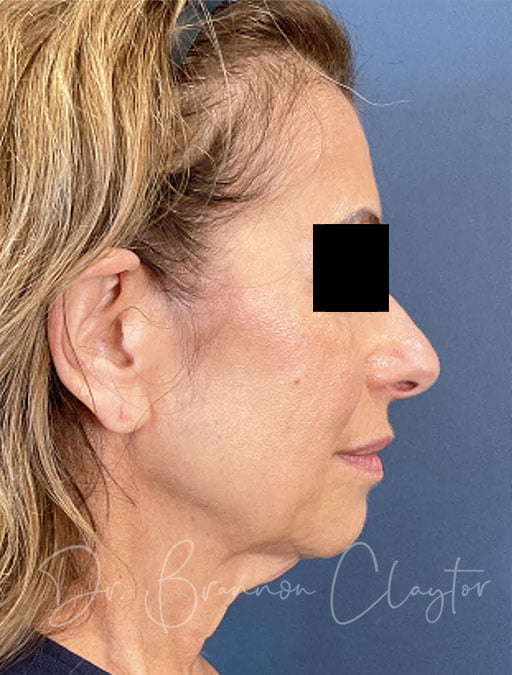
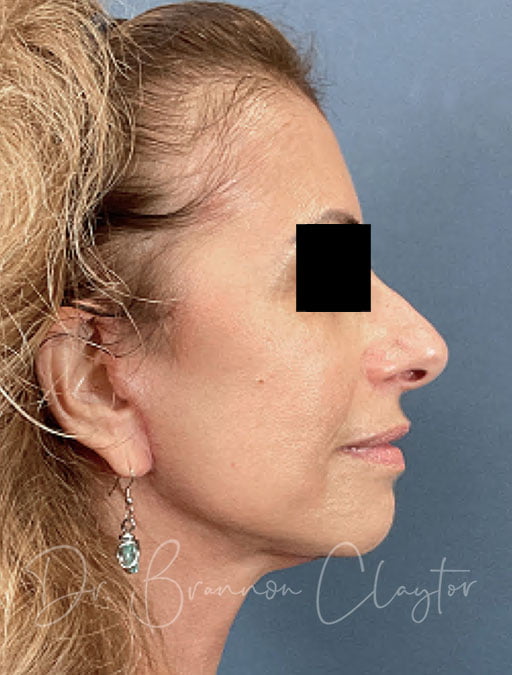
Regardless of the details of your facelift surgical plan, Dr. Claytor offers patients both general anesthesia and local anesthesia with sedation.
*Individual results may vary on a case-by-case basis
Is an awake facelift right for you?
While the awake facelift offers numerous benefits, you need to be a good candidate for a facelift before undergoing the procedure with either kind of anesthesia. Ideal candidates are those who:
- Are in good overall health
- Do not smoke or use nicotine
- Have realistic expectations about the outcomes of facelift surgery, as discussed with Dr. Claytor in your consultation
- Have set aside sufficient time for a restful, safe recovery after surgery (i.e. no immediate travel plans)
- Prefer a more streamlined, mobile recovery period
- Wish to avoid general anesthesia
During your consultation, you and Dr. Claytor will discuss your medical history, aesthetic goals, and address concerns you may have. Dr. Claytor believes that the choice of anesthesia should be made in collaboration with you, just as he works with you to develop a surgical plan based on your goals for your appearance—not a cookie-cutter set of changes.
Dr. Brannon Claytor holds years of experience in both traditional and awake facelifts, and he is an international leader and educator in the deep plane face and neck lift technique—an advanced method that creates a defined jawline and transformative, yet natural-looking, results for facelift patients at any age. He is an 8x Philadelphia Magazine Top Doctor Winner, Chief of Plastic Surgery at Main Line Health, and one of Newsweek’s America’s Best Plastic Surgeons. We invite you to schedule your consultation today by calling 610-527-4833!